Regional overview
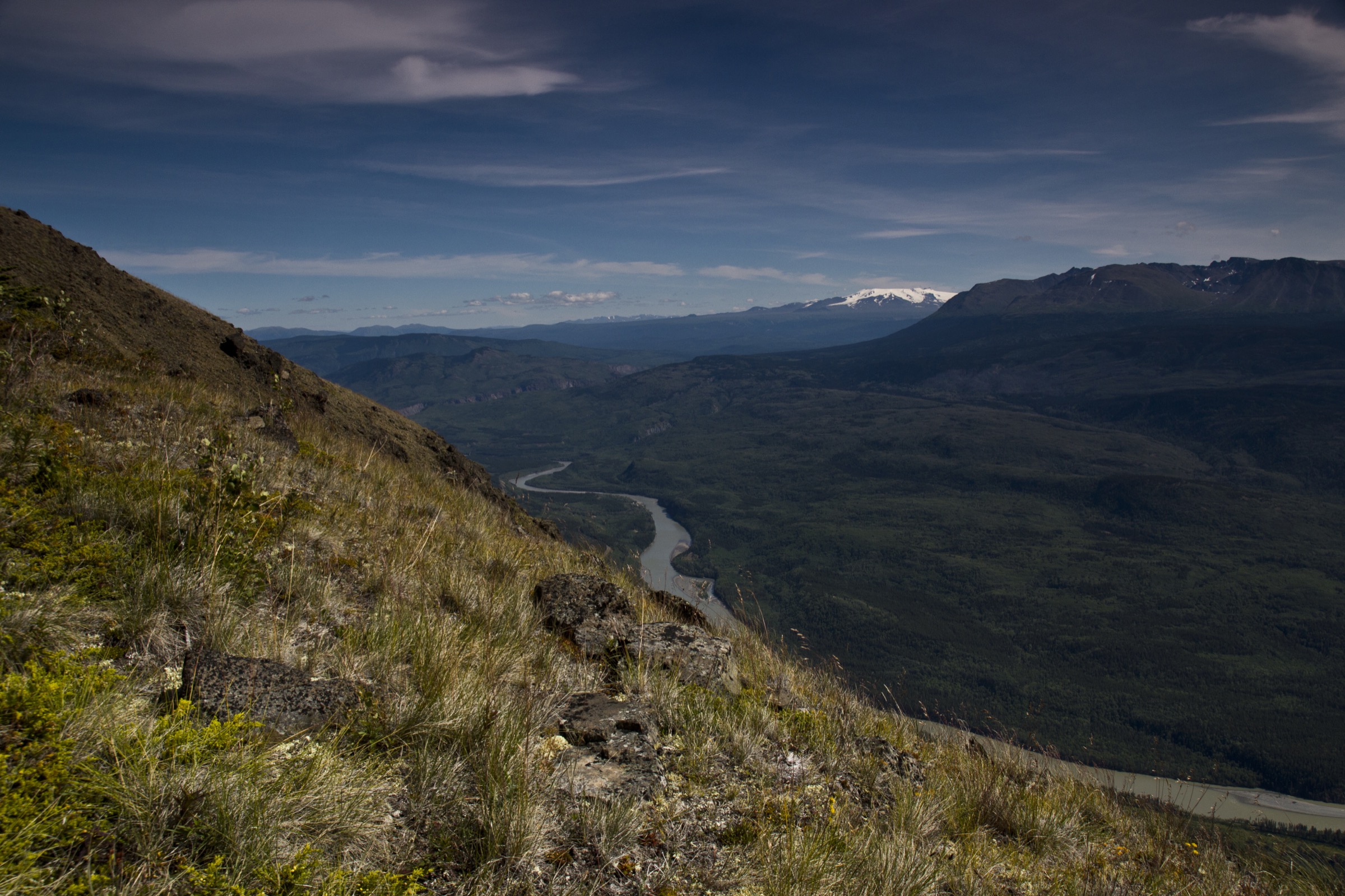
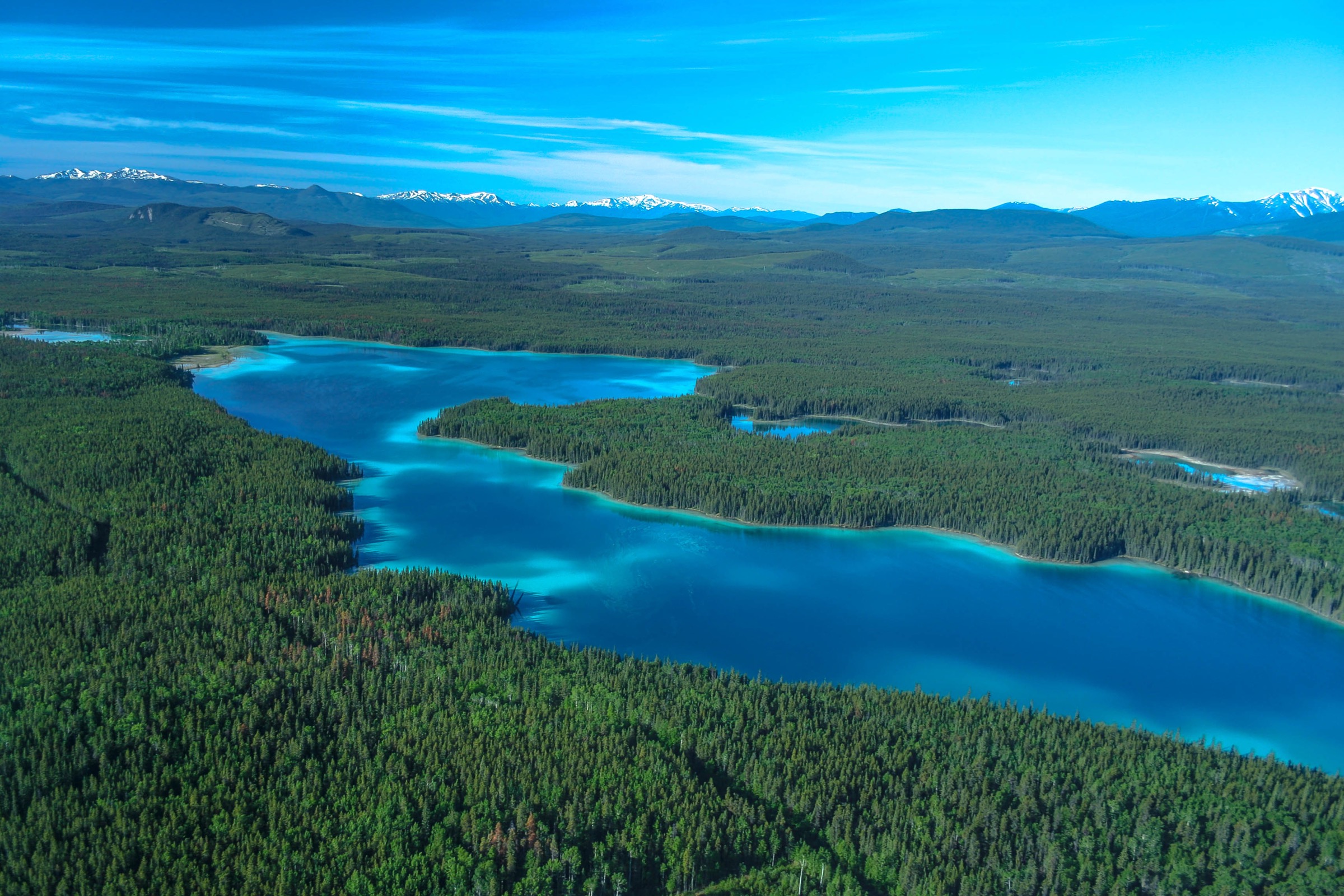
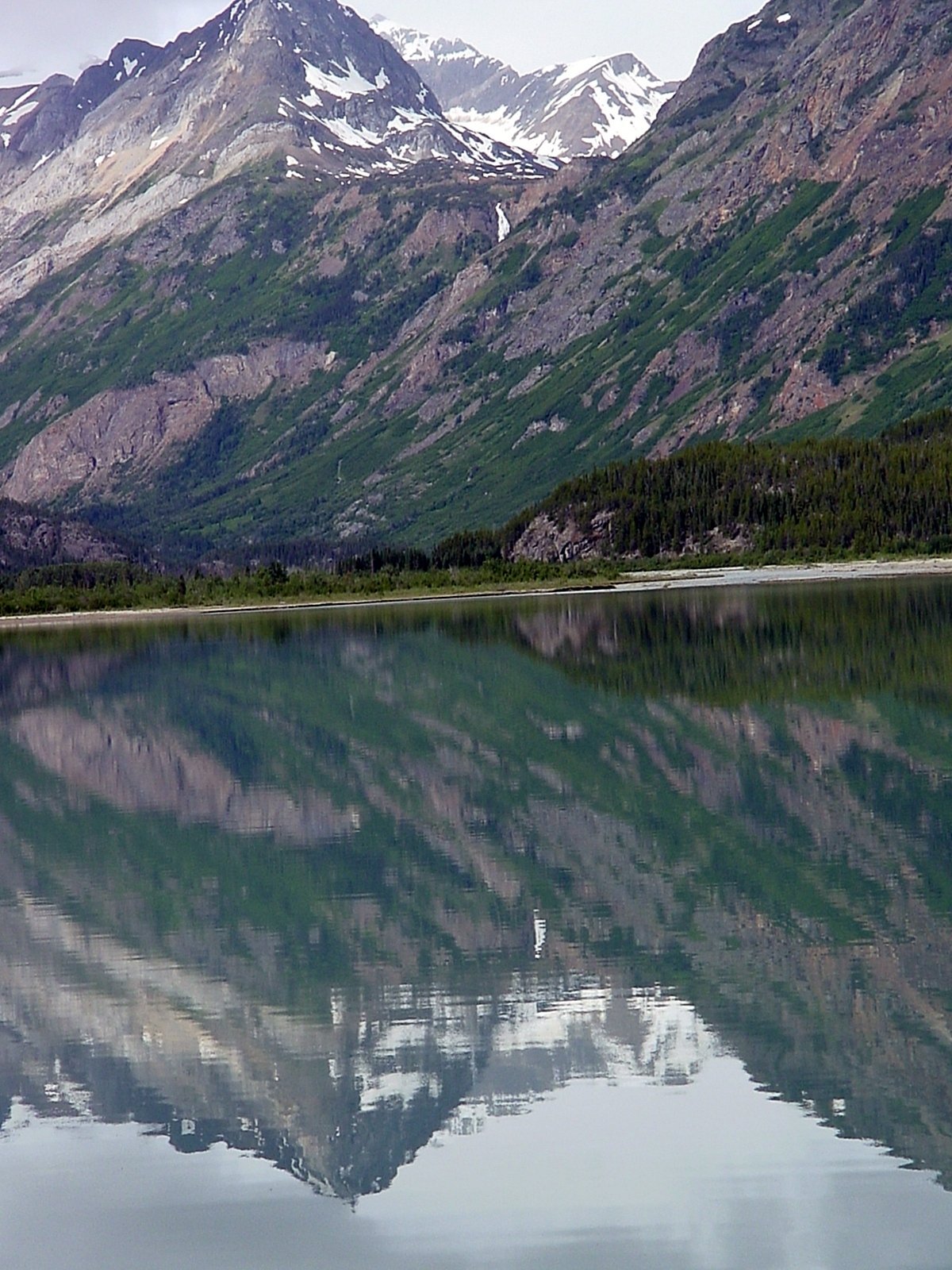
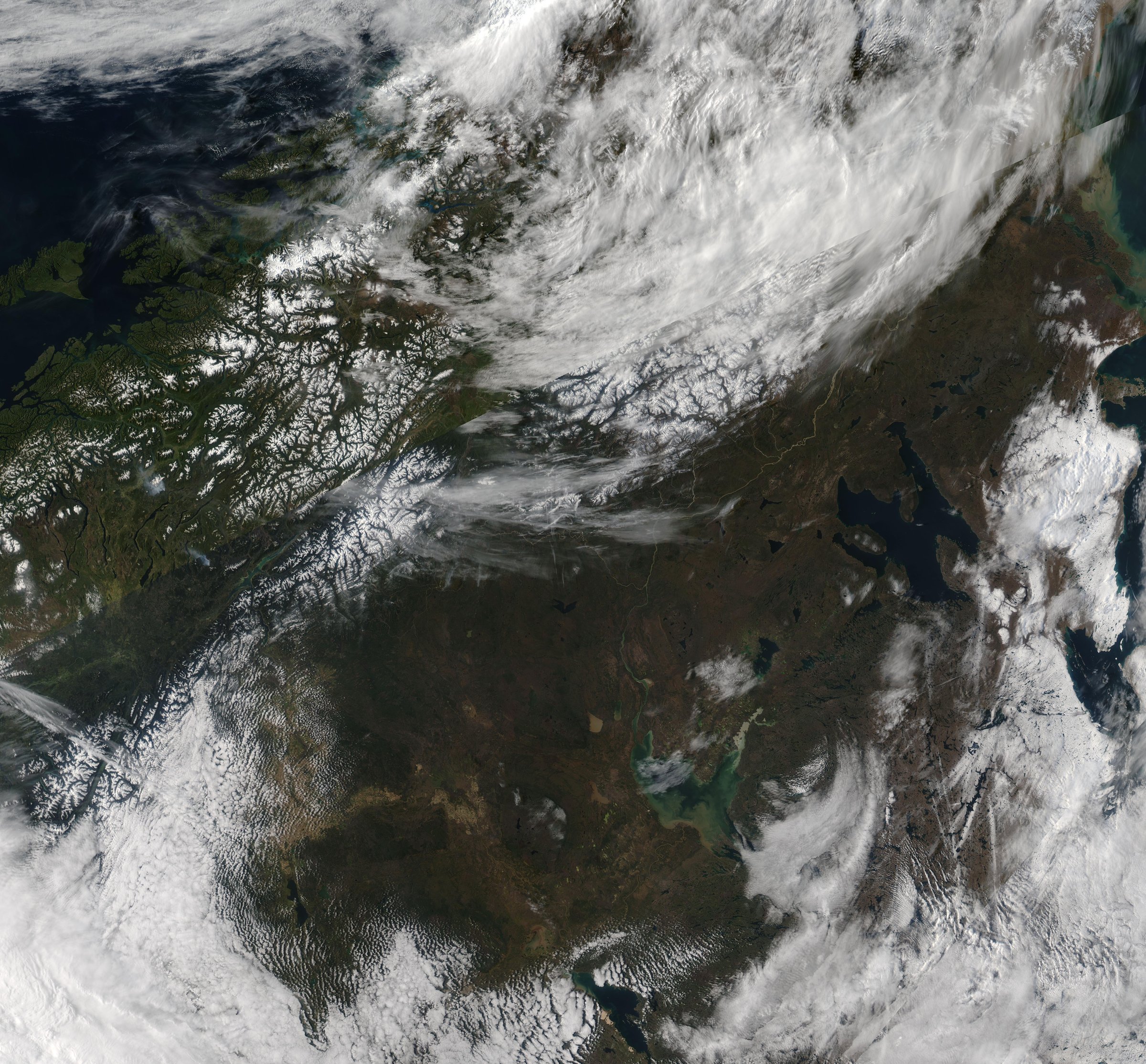
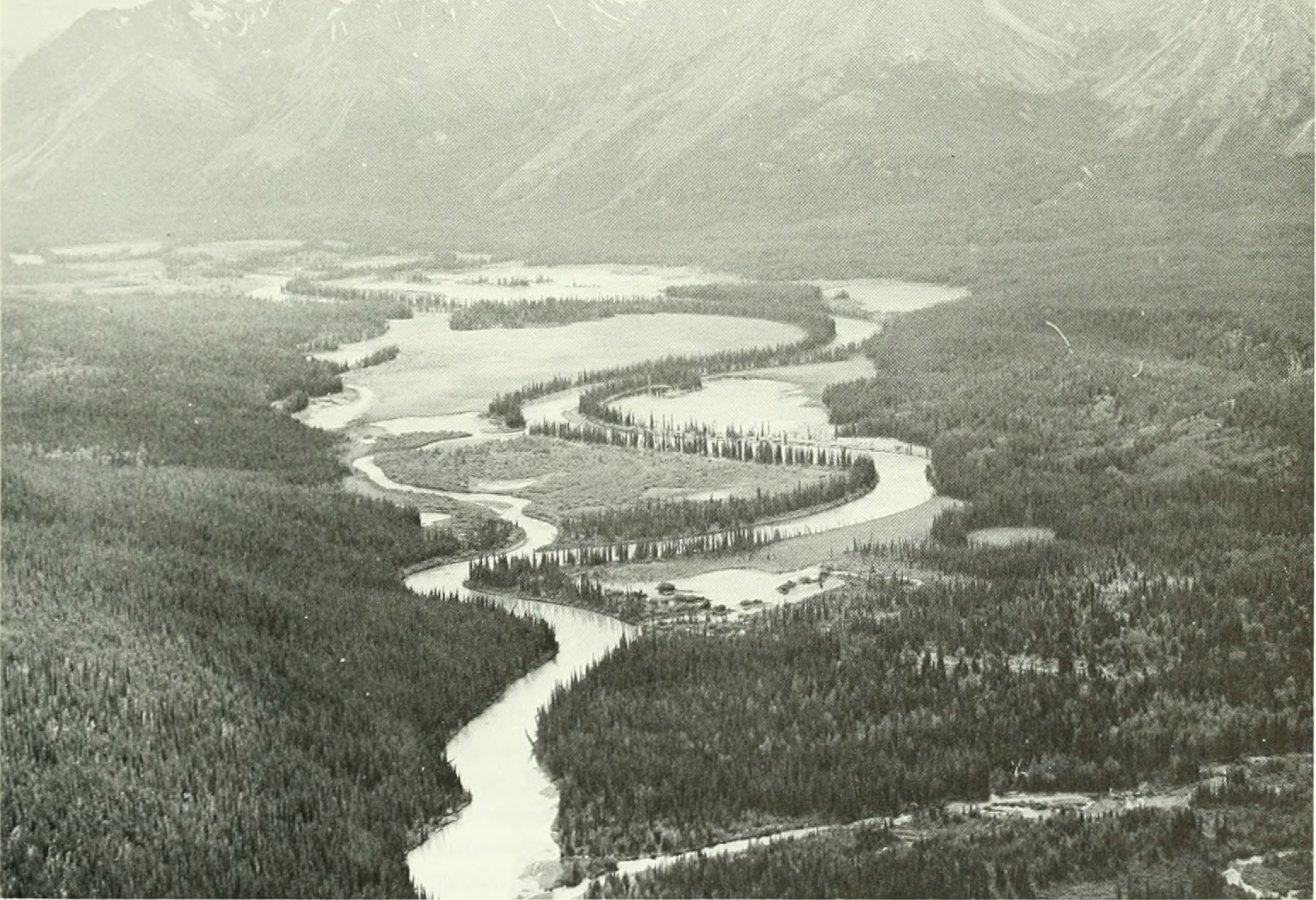
The Skeena Mountains are a subrange of the Interior Mountains of north-western British Columbia, flanking the upper basin of the Skeena River. Their southern limit is set by the Bulkley River and the upper Babine and Takla lakes; the Omineca River bounds them to the north-east; the Tahltan Highland, Klastline Plateau and Spatsizi Plateau form the northern margin. Component subranges include the Atna, Babine, Bait, Driftwood, Klappan, Oweegee, Sicintine, Slamgeesh, Strata and Takla ranges. The neighbouring Hazelton Mountains to the south — which contain Hudson Bay Mountain, the Bulkley Ranges, the Rocher Déboulé Range, the Seven Sisters Peaks and the Kispiox Range — are sometimes conflated with the southern Skeenas in popular guides; on physiographic grounds those landmarks lie outside the Skeena Mountains and are excluded here.
The road-served heart of the Skeenas for hikers is the Babine Range north-east of Smithers, where Babine Mountains Provincial Park (32,400 ha) protects an interconnected mining-road and alpine-trail network reaching cirque basins, copper-bearing lakes and broad sub-alpine meadows between 1,400 and 2,400 m. The deeper, remote interior is represented by Spatsizi Plateau Wilderness Provincial Park (656,785 ha), a fly-in or rail-grade access landscape of caribou plateau, glaciated peaks and braided rivers at the headwaters of the Skeena, Stikine and Nass.
The hiking season is short and notably wet: snow normally clears the higher Babine basins between late June and mid-July and returns in mid-September, with thunderstorms and rain frequent through August. Both black bear and grizzly bear occur throughout — Spatsizi has one of B.C.’s densest grizzly populations — and carrying spray, hiking in groups, and using rodent-proof food storage are standard. Main access points are Highway 16 (Yellowhead) at Smithers, Telkwa and the Hazeltons in the south, and Highway 37 (Stewart–Cassiar) with the BV Rail / Klappan resource road for the Spatsizi corridor. Several gravel roads required to reach trailheads are active log-hauling routes from Monday to Saturday. Cell coverage is absent beyond town limits; satellite communicators are recommended on every route below.
Selection rationale
The five hikes below were chosen to represent the geographically defined Skeena Mountains rather than the better-known Hazelton landmarks south of the Skeena valley. Four sit within Babine Mountains Provincial Park, the only part of the range with marked, maintained day-hike trails accessible from a paved highway; the fifth is a fly-in day-hike out of Cold Fish Lake in Spatsizi Plateau Wilderness, included because no Skeena selection is complete without acknowledging the protected wilderness that defines the range’s northern interior.
- Silver King Basin Trail to Joe L’Orsa Cabin — the most-cited Babine alpine basin and standard introduction to the range’s interior, reached on a former mining road.
- Cronin Creek Trail to Hyland Lakes — principal access to the highest accessible alpine in the park and to Mount Cronin, threading a preserved early-twentieth-century mining landscape.
- McCabe Trail to Copper Lakes — the gentlest route into the Babine alpine, with two copper-stained tarns at 1,650 m.
- Onion Mountain to Ganokwa Basin — the most-cited wildflower meadow in the Babine Range and the one south-facing balcony viewpoint of the Bulkley Valley from inside the Skeenas.
- Spatsizi Plateau Trail from Cold Fish Lake — the only marked day-hike from Cold Fish Lake that reliably reaches the plateau character within a single day, in the protected wilderness at the headwaters of the Skeena, Stikine and Nass.
Hudson Bay Mountain (Crater Lake), Hagwilget Peak (Rocher Déboulé Range) and the Seven Sisters trails were excluded on physiographic grounds — all sit in the Hazelton Mountains and Bulkley Ranges, not the Skeenas, and would belong to a separate Hazelton catalogue entry.
Summary table
| # | Hike | Country | Route type | Distance | Gain | Max elevation | Difficulty |
|---|---|---|---|---|---|---|---|
| 1 | Silver King Basin Trail to Joe L’Orsa Cabin | Canada | Out-and-back | ~17–18 km | ~530 m | ~1,500 m | Easy–Moderate |
| 2 | Cronin Creek Trail to Hyland Lakes | Canada | Out-and-back | ~30 km | ~1,030 m | ~1,800 m | Hard |
| 3 | McCabe Trail to Copper Lakes | Canada | Out-and-back | ~17–20 km | ~750 m | ~1,650 m | Moderate |
| 4 | Onion Mountain to Ganokwa Basin | Canada | Out-and-back | ~17 km | ~700 m | ~1,660 m | Moderate |
| 5 | Spatsizi Plateau Trail (Cold Fish Lake) | Canada | Out-and-back | ~12–13 km | ~840 m | ~1,750 m | Moderate–Hard |
1. Silver King Basin Trail to Joe L’Orsa Cabin
Snapshot
Itinerary
The route follows the historic Silver King mining road north-east from the trailhead at the end of Driftwood Road. The first 4 km climb gently through mixed sub-boreal forest with two creek crossings on culvert bridges before the grade steepens above the old Silver King mine site. From roughly the 6 km mark the trail emerges into sub-alpine meadow, with views opening westward over Driftwood Creek to Hudson Bay Mountain.
The Joe L’Orsa Cabin sits in the upper basin at approximately 1,500 m and is the standard turnaround for day hikers. The basin floor — soft tundra crossed by Silver King Creek and ringed by Mount Cronin (2,393 m), Mount Hyland and the Silver King ridge — is the iconic Skeena alpine scene. From the cabin, fit walkers can continue 2.2 km up Hyland Pass for a higher viewpoint before returning the same way.
Why it is essential
Silver King Basin is the single most cited hike in the Babine Range and the standard introduction to the Skeena Mountains’ interior alpine. The mining-road grade makes the alpine basin accessible to most fit walkers — rare in this range — and the L’Orsa Cabin, built by volunteers in memory of long-time park advocate Joe L’Orsa, is a recognised landmark in B.C. backcountry culture. BC Parks, Tourism Smithers, the local Friends of Babine group and Explore Magazine all flag this as the signature route.
Equipment
- Mountain hiking equipment: sturdy boots, weatherproof shell, warm layer.
- Food and water; treat water from creeks.
- Map and compass or GPS, sun protection, headtorch.
- Bear spray and bear-aware food storage.
- Microspikes useful into early July for lingering snow on the upper road.
- For overnight cabin use: sleeping bag and pad (first-come, first-served at CAD 5 per person per night).
Hazards and notes
- Both black and grizzly bears use the basin; group hiking is recommended.
- Driftwood Road is an active log-hauling route Monday–Saturday; yield to commercial traffic.
- The lower parking area is closed in winter and the road is not plowed to the summer lot.
- Avalanche terrain exists in the upper basin into late June.
- Mountain biking and horses permitted; dogs allowed on leash.
- No fees beyond cabin use; no permit required for day use.
GPX / KML links
| Source | URL | Format / access | Reuse status |
|---|---|---|---|
| BC Parks — Babine Mountains brochure (PDF map only) | nrs.objectstore.gov.bc.ca | PDF map | Government of BC open data terms; map reference only |
| Trailforks — Silver King Basin | trailforks.com | User-submitted GPX | Trailforks terms; reference only |
| Gaia GPS — Joe L’Orsa Cabin via Silver King Trail | gaiagps.com | GPX (account required) | Gaia terms; reference only |
| AllTrails — Silver King Basin | alltrails.com | GPX (paid) | AllTrails proprietary; reference only |
Further reading
- BC Parks — Babine Mountains Park
- Tourism Smithers — Hiking and Walking
- iHikeBC — Silver King Basin Trail Hike
- Explore Magazine — Babine Mountains Provincial Park
2. Cronin Creek Trail to Hyland Lakes
Snapshot
Itinerary
The trail leaves Babine Lake Road and follows Cronin Creek north on a near-level grade for roughly 10 km through sub-boreal spruce forest with abundant bear sign. Old log bridges cross several tributaries. Past the 10 km mark the trail leaves the creek and climbs steeply through switchbacks for nearly 3 km, gaining the bulk of the elevation in this section. Above approximately 1,600 m the forest gives way to alpine tundra on the north-east shoulder of Mount Cronin (2,393 m), passing remnants of early-twentieth-century copper-cobalt mine workings.
The trail terminates near the picturesque Hyland Lakes in a basin between Mount Cronin and Mount Hyland. Strong parties using two vehicles often continue over Hyland Pass and down the Silver King Basin Trail as a 25 km point-to-point traverse, the classic Babine through-route.
Why it is essential
The Cronin Creek route is the principal access to the highest accessible alpine in the park and to Mount Cronin itself — the most prominent peak of the Babine Range and a long-standing climbing objective. It also threads one of the best-preserved historic mining landscapes in the Skeenas. BC Parks classifies it as the main eastern entry to the park; together with the Silver King Trail it forms the only marked alpine traverse in the road-accessible Skeenas.
Equipment
- Mountain hiking equipment with extra warm layer.
- Headtorch for the long day length; trekking poles for the switchback descent.
- Map and compass and a satellite communicator.
- Bear spray essential.
- Microspikes useful into mid-July for residual snow above 1,600 m.
- Water available throughout from Cronin Creek and tributaries; treat before drinking.
Hazards and notes
- Active grizzly habitat; surprise encounters at salmonberry patches along Cronin Creek are documented. Both black and grizzly bears use the corridor.
- The 312 Road and lower section of Babine Lake Road are active log-haul corridors Monday–Saturday.
- The upper switchbacks become greasy in rain and snow lingers in shaded gullies into July.
- Above treeline, route markers are sparse and visibility is critical for safe return.
- Dogs permitted on leash. No permit or fee.
GPX / KML links
| Source | URL | Format / access | Reuse status |
|---|---|---|---|
| BC Parks — Babine Mountains brochure (PDF map only) | nrs.objectstore.gov.bc.ca | PDF map | Government of BC open data terms; map reference only |
| Trailforks — Cronin Trail | trailforks.com | User-submitted GPX | Trailforks terms; reference only |
| Trailforks — Cronin Pass route | trailforks.com | User-submitted GPX | Trailforks terms; reference only |
| Trailpeak — Mount Cronin from Hyland Pass | trailpeak.com | User-submitted GPX | Trailpeak terms; reference only |
Further reading
- BC Parks — Babine Mountains Park
- BC Parks legacy hiking page
- Bivouac.com — Climb of Mount Cronin
- iHikeBC — Hyland Pass Trail Hike
3. McCabe Trail to Copper Lakes
Snapshot
Itinerary
The McCabe Trail shares the first short steep section with the Silver King Basin Trail before branching east. A 100 m climb on the historic McCabe mining road yields to a near-level grade on the north slopes of Harvey Mountain and Pyramid Mountain, traversing high sub-boreal forest with intermittent meadow openings. Around the 6 km mark the trail enters open alpine tundra with sweeping views back to Hudson Bay Mountain in the Bulkley Ranges.
Copper Lakes — two small tarns coloured by copper-bearing host rock — sit at roughly 1,650 m approximately 8.3 km from the trailhead. Rudimentary user-maintained tent platforms exist on flat ground above the eastern lake. Fit parties continue another 2 km up-basin to connect with the Lyon Creek trail at “The Summit”, a long but feasible day in midsummer light.
Why it is essential
McCabe is the gentlest route into the Babine Range alpine and is repeatedly recommended in BC Parks and Tourism Smithers materials as the best family-and-novice introduction. The Copper Lakes basin gives a textbook sub-alpine lake setting without the grunt of Cronin Creek or the bushwhacking elsewhere in the park. It is also the access trail used by the annual Babine Mountain Run, which has put it on the regional ultra-running map.
Equipment
- Standard mountain hiking equipment.
- Trekking poles helpful on the initial road climb.
- Insect repellent essential in July.
- Bear spray standard.
- Water available at the lakes and at several stream crossings; treat before drinking.
- Camp stove recommended over fires due to fire-risk closures common in August.
Hazards and notes
- Section 6 of the Park Act applies along an external portion of the route — motorised use is prohibited in summer.
- Black bears are common in the lower bench berry patches; grizzlies use the upper basin.
- Trail conditions deteriorate in extended wet weather.
- Driftwood Road is an active log-haul route Monday–Saturday; yield to commercial traffic.
- Dogs permitted on leash. No permit required.
GPX / KML links
| Source | URL | Format / access | Reuse status |
|---|---|---|---|
| BC Parks — Babine Mountains brochure (PDF map only) | nrs.objectstore.gov.bc.ca | PDF map | Government of BC open data terms; map reference only |
| Babine Mountain Run — McCabe Trail | babinemountainrun.ca | Description and map | All-rights-reserved; reference only |
| Trailpeak — McCabe Trail | trailpeak.com | User-submitted GPX | Trailpeak terms; reference only |
| Gaia GPS — McCabe Trail | gaiagps.com | GPX (account required) | Gaia terms; reference only |
Further reading
- BC Parks — Babine Mountains Park
- Tourism Smithers — Hiking McCabe and Lyon Creek Trail
- Babine Mountain Run — McCabe Trail
- Sheila Peters blog — McCabe Trail trip report
4. Onion Mountain to Ganokwa Basin
Snapshot
Itinerary
From Old Babine Lake Road the route begins a steady forested climb on a well-defined trail with boardwalk sections through swampy benches. Sub-alpine is reached at approximately 1,475 m, where the grade eases and views open south-west across the Bulkley Valley to the Telkwa Range. The trail swings east, descends briefly to cross Lyon Creek, then ascends to Ramrock Pass at 1,660 m.
Beyond the pass the route descends into Ganokwa Basin, an extensive sub-alpine meadow system that floods with colour through mid- to late July — Indian paintbrush, lupine, valerian, arnica. Standard turnaround is in the central basin; the trail continues to a junction with the Lyon Creek Trail for those with shuttle support.
Why it is essential
Ganokwa Basin is the most-cited wildflower meadow in the Babine Range and is named explicitly by BC Parks as “a special attraction in July”. The route also provides one of the few south-facing balcony viewpoints of the Bulkley Valley from inside the Skeena range, contrasting the more enclosed mining-road approaches further north. The trail is non-motorised in summer, preserving the meadow ecosystem.
Equipment
- Standard mountain hiking equipment.
- Insect protection; head net useful early season.
- Bear spray.
- Trekking poles for the boardwalk-and-mud sections in early summer.
- Water available at Lyon Creek; treat before drinking.
Hazards and notes
- Black and grizzly bears use the meadows; visibility is good but encounters at the wildflower benches are documented.
- Non-motorised in summer; motorised use permitted in winter only.
- The trail is partially outside the park boundary but managed under Park Act Section 6 — same regulations apply.
- Old Babine Lake Road is gravel; conditions vary through the season.
- Dogs permitted on leash. No fee.
GPX / KML links
| Source | URL | Format / access | Reuse status |
|---|---|---|---|
| BC Parks — Babine Mountains brochure (PDF map only) | nrs.objectstore.gov.bc.ca | PDF map | Government of BC open data terms; map reference only |
| Trailpeak — Onion Mountain to Ganokwa Basin | trailpeak.com | User-submitted GPX | Trailpeak terms; reference only |
| Trailforks — Little Onion Mountain Trail (Astlais Mountain) | trailforks.com | User-submitted GPX | Trailforks terms; reference only — related but distinct trail |
Further reading
- BC Parks — Babine Mountains Park
- BC Parks legacy hiking page
- Trailpeak — Onion Mountain to Ganokwa Basin
5. Spatsizi Plateau Trail from Cold Fish Lake
Snapshot
Itinerary
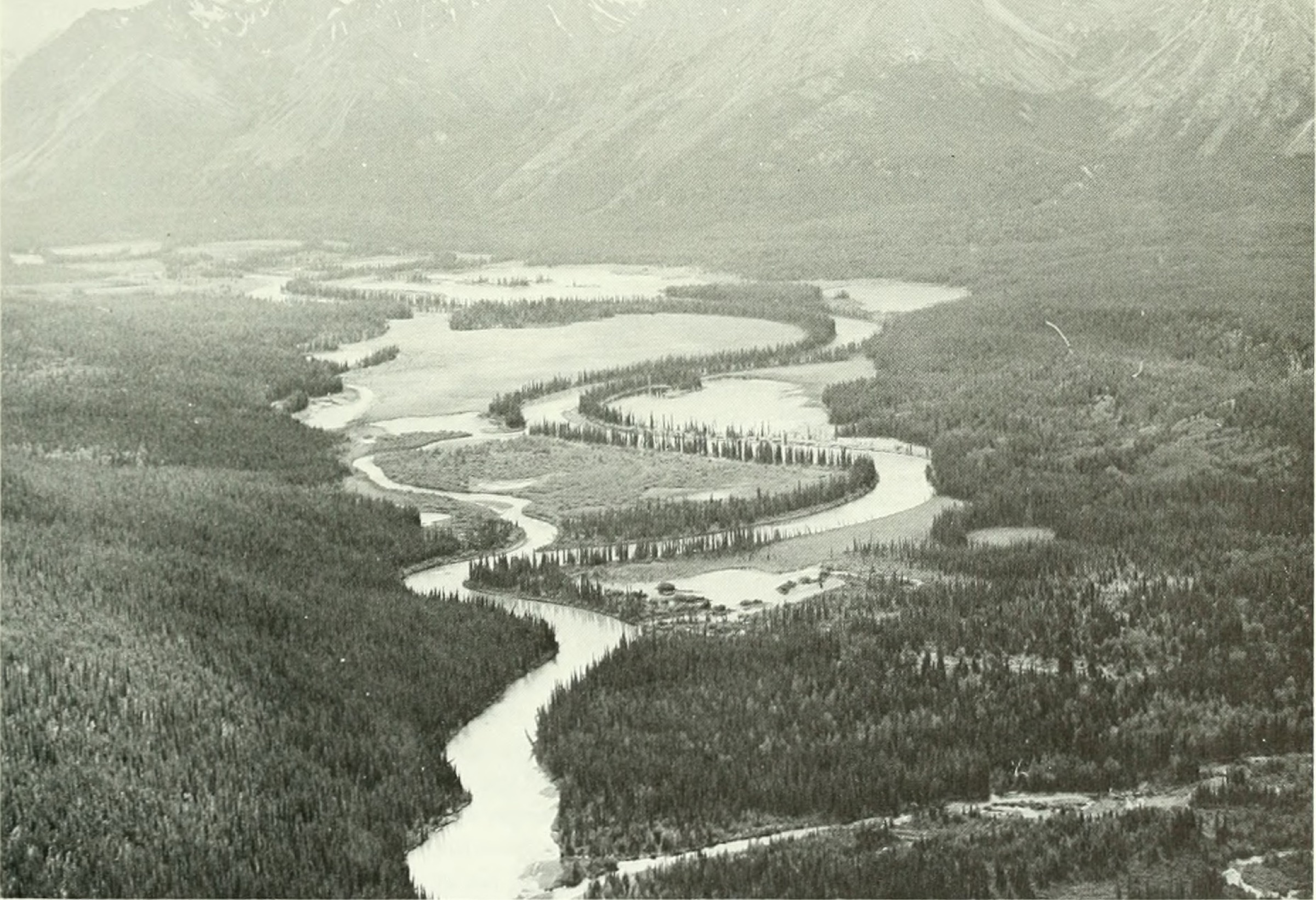
The trail leaves the Cold Fish Lake Campground at the south-east corner and climbs steeply through sub-alpine spruce and willow on a partly braided footpath. The lower 2 km cross several boggy benches; route-finding is occasionally required where game trails diverge from the human path. Above approximately 1,400 m the forest thins and the route emerges onto open tundra plateau, the defining landscape of Spatsizi (“red goat” in Tahltan, after the red-stained mountain goats of the Spatsizi River).
From the plateau rim the panorama takes in the Eaglenest Range to the north, the Skeena Mountains proper to the south-east and the headwaters basins of the Skeena and Stikine drainages. Day hikers typically turn around at a high point on the rim before retracing the route to the lake.
Why it is essential
Spatsizi Plateau Wilderness is the only protected area within the Skeena Mountains that preserves a complete sub-arctic alpine-plateau ecosystem at scale; it sits at the headwaters of three major B.C. rivers — Skeena, Stikine and Nass, the “Sacred Headwaters” — and supports one of the province’s largest woodland caribou populations. The Spatsizi Plateau Trail is the only marked day-hike from the Cold Fish Lake base that reliably reaches the plateau character within a single day, and it is the route BC Parks specifically recommends to visitors at Cold Fish Lake. No other hike in the Skeena Mountains delivers comparable wilderness scale to a day-hiker.
Equipment
- Mountain hiking equipment with full wet-weather kit and extra insulation.
- Satellite communicator (mandatory in practice — no cell coverage anywhere in the park).
- Map, compass and altimeter.
- Bear spray essential; bear bangers commonly carried.
- Insect netting and DEET-strength repellent.
- Water filter or boiling for stream water.
- Sleeping bag rated to at least −5 °C even for day-hike-only itineraries, in case of weather delay.
Hazards and notes
- Float-plane access only — the airstrip at Cold Fish Lake is unmaintained and not available for self-fly visitors; pre-arranged charter is the standard approach, with multi-day visit windows commonly built in for fly-in/out flexibility.
- Trails in Spatsizi are not frequently travelled, are braided in sections and intersect game trails — BC Parks classifies them as suitable for experienced backcountry hikers only.
- Grizzly density is among the highest in B.C.; black bears also present; group hiking strongly recommended.
- Cold Fish Lake cabins are first-come, first-served at CAD 20 per person per night.
- Weather is severe and changes rapidly.
- Dogs permitted but discouraged due to wildlife conflicts.
GPX / KML links
| Source | URL | Format / access | Reuse status |
|---|---|---|---|
| BC Parks — Spatsizi park map (PDF) | nrs.objectstore.gov.bc.ca | PDF map | Government of BC open data terms; map reference only |
| Trailpeak — Spatsizi Plateau Trail | trailpeak.com | User-submitted GPX | Trailpeak terms; reference only |
| AllTrails — Spatsizi Plateau Trail | alltrails.com | GPX (paid) | AllTrails proprietary; reference only |
| BRMB Maps — Black Fox Creek Trail (alternate Cold Fish Lake day-hike) | brmbmaps.com | Map description | BRMB proprietary; reference only |
Further reading
- BC Parks — Spatsizi Plateau Wilderness Park
- BC Parks — Spatsizi Wilderness Park: Hiking
- Backpacker — At This Remote Park, You’ll Be the Only Hiker for Miles
- PeakVisor — Spatsizi Plateau Wilderness Provincial Park
Further reading
| Source | URL |
|---|---|
| BC Parks — Babine Mountains Park | bcparks.ca |
| BC Parks — Babine Mountains brochure (PDF) | nrs.objectstore.gov.bc.ca |
| BC Parks legacy Babine hiking page | env.gov.bc.ca |
| BC Parks — Spatsizi Plateau Wilderness Park | bcparks.ca |
| BC Parks — Spatsizi hiking page | bcparks.ca |
| BC Parks — Spatsizi park map (PDF) | nrs.objectstore.gov.bc.ca |
| Tourism Smithers — Hiking and Walking | tourismsmithers.com |
| Tourism Smithers — McCabe and Lyon Creek Trail | tourismsmithers.com |
| Wikipedia — Skeena Mountains | en.wikipedia.org |
| Wikipedia — Babine Range | en.wikipedia.org |
| Wikipedia — Spatsizi Plateau Wilderness Provincial Park | en.wikipedia.org |
| PeakVisor — Skeena Mountains | peakvisor.com |
| PeakVisor — Babine Mountains Provincial Park | peakvisor.com |
| Bivouac.com — Skeena Mountains | bivouac.com |
| Explore Magazine — Babine Mountains Provincial Park | explore-mag.com |
| iHikeBC — Silver King Basin | ihikebc.com |
| iHikeBC — Hyland Pass | ihikebc.com |
| Trailforks — Babine Mountains region | trailforks.com |
| Babine Mountain Run — McCabe Trail | babinemountainrun.ca |
| Mountain-Forecast — Skeena Mountains | mountain-forecast.com |
| Northern BC Tourism — Hiking and Camping in Northwest BC | visitnorthwestbc.ca |