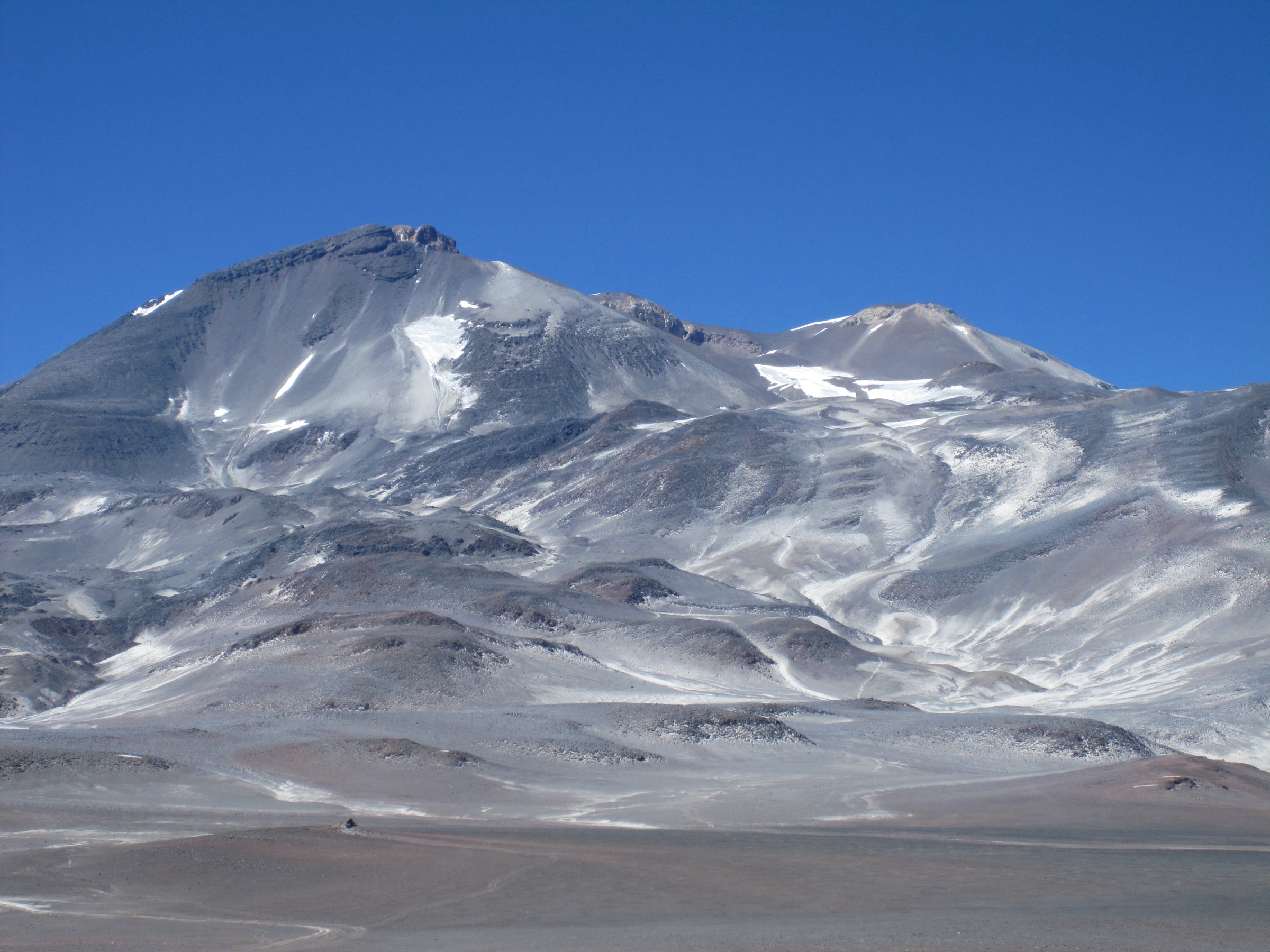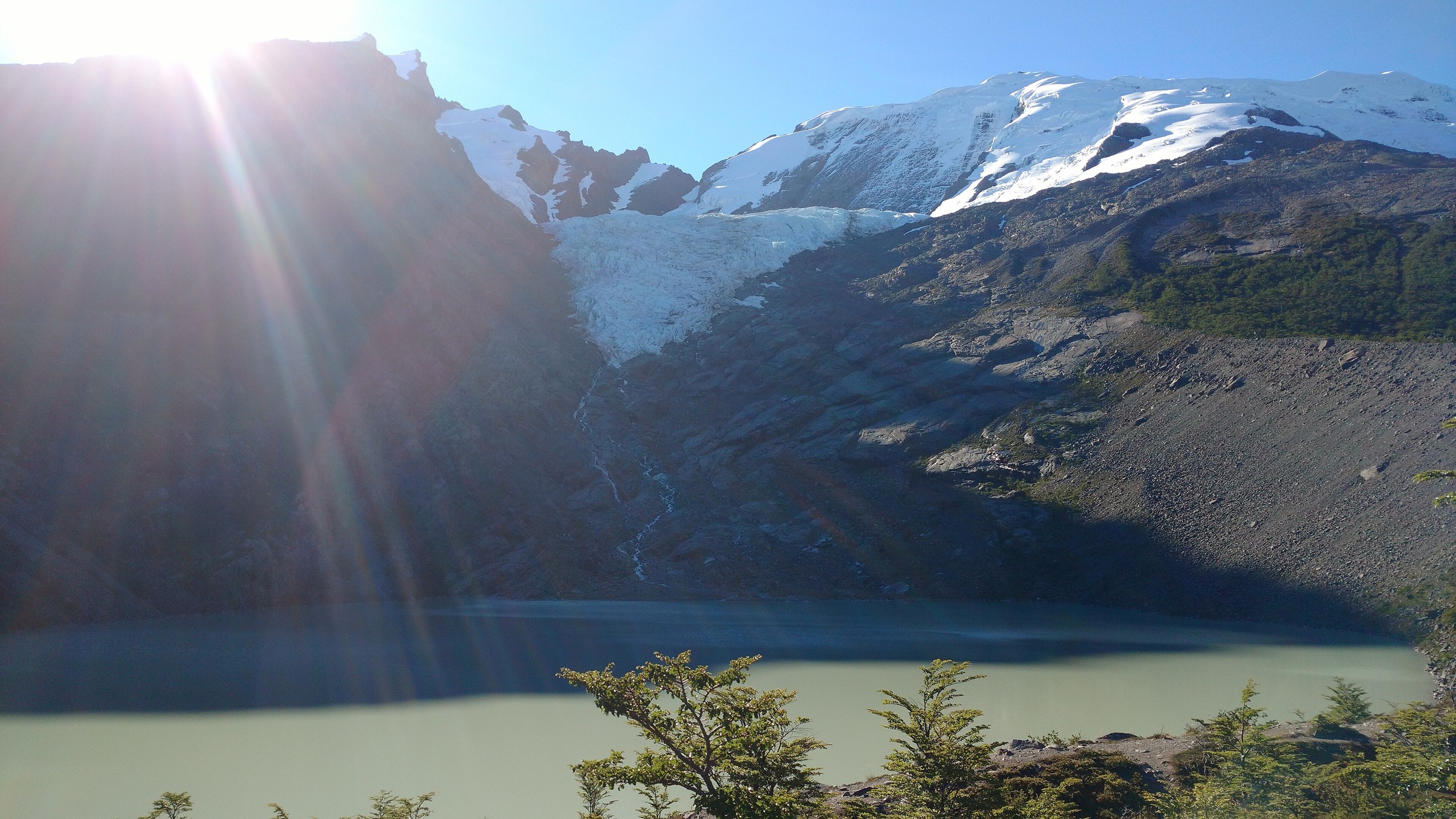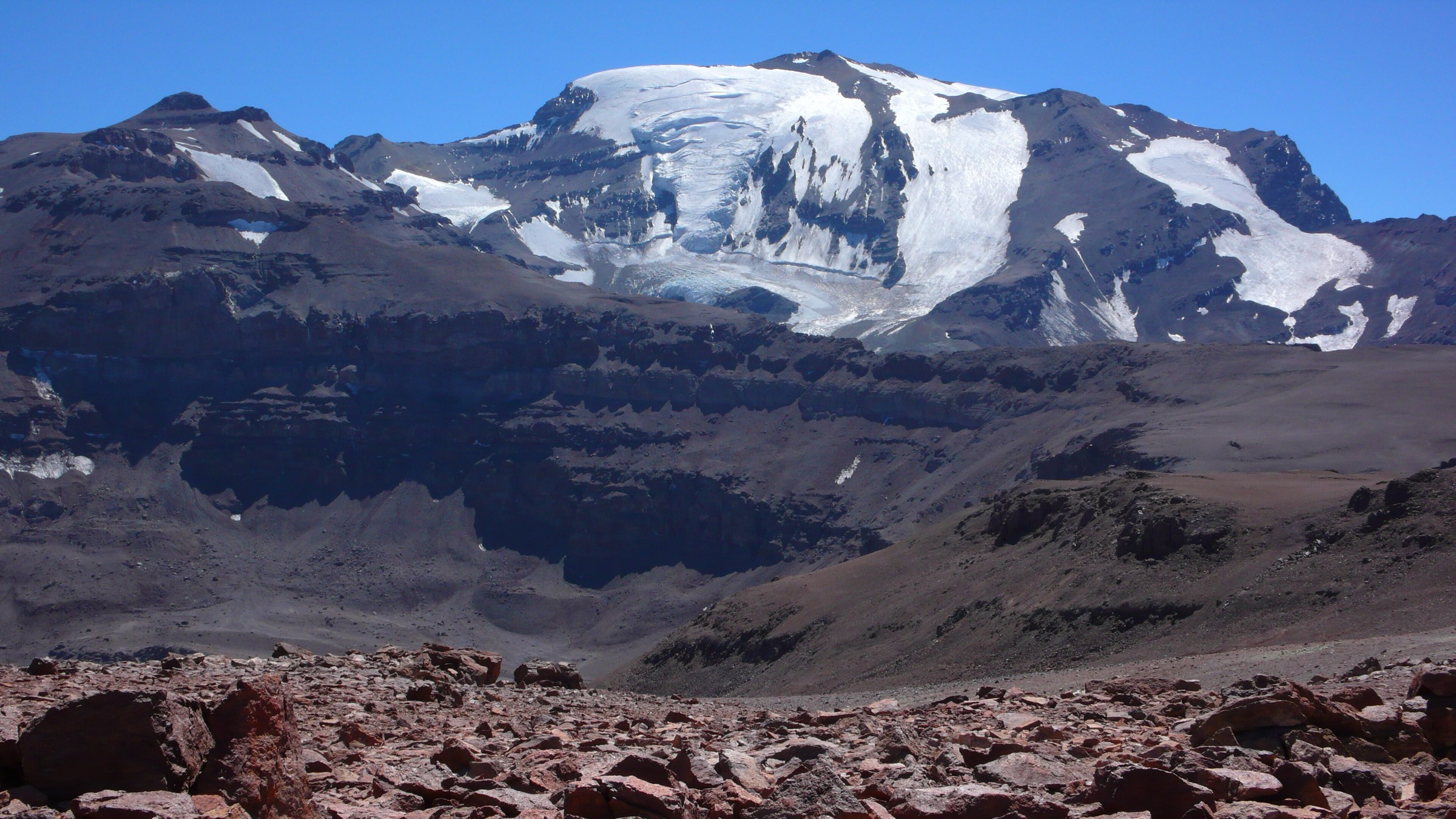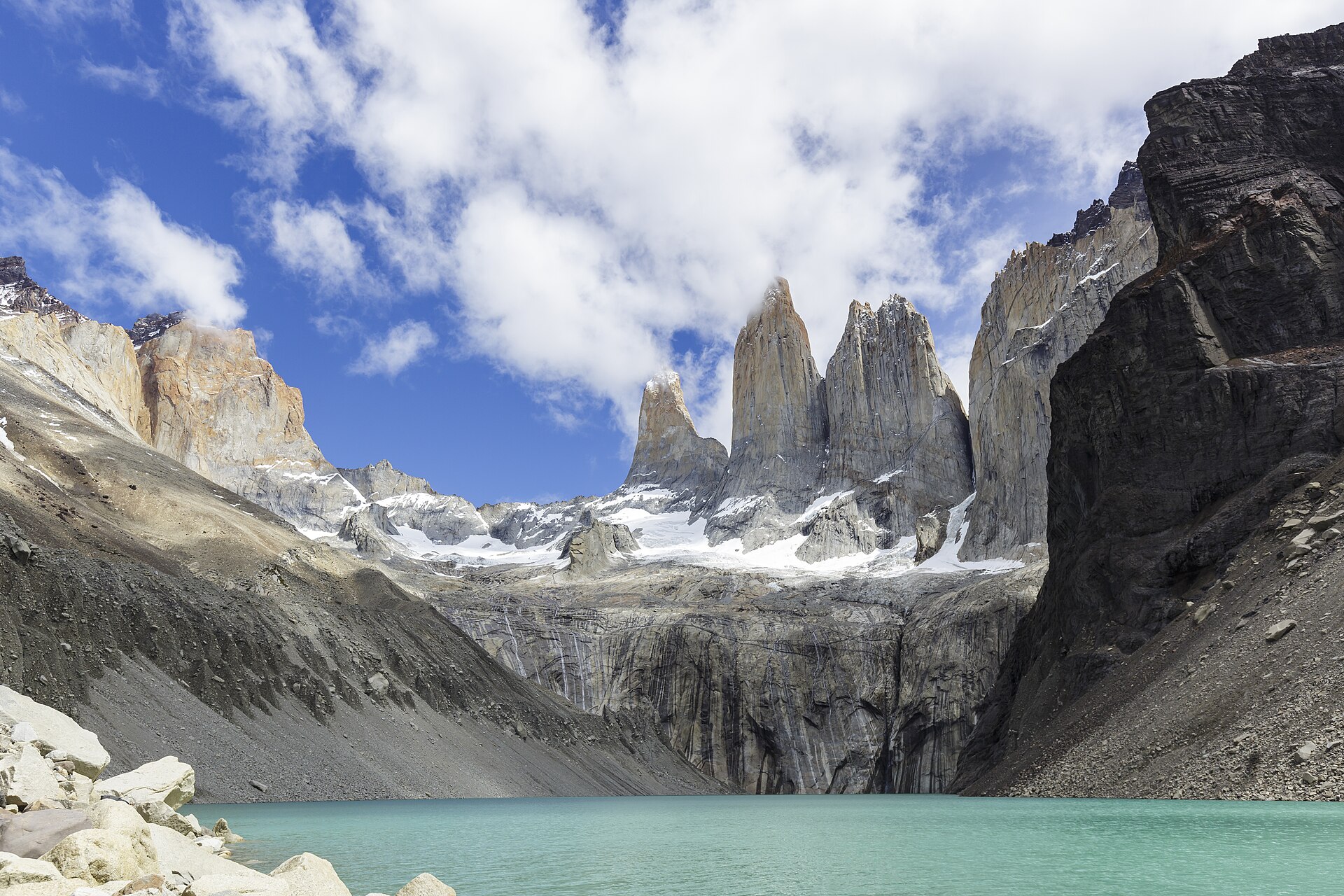
The Torres del Paine W Trek is a four- to five-day mountain route through Chilean Patagonia. It links Grey Glacier, the Francés Valley, Los Cuernos, Lago Nordenskjöld, and the Base Torres viewpoint. The route is named for its W-shaped line across the southern side of the Paine massif.
The trail can be walked in either direction: west to east from Paine Grande, or east to west from the Las Torres sector. Most hikers complete the trek over four or five days.
Key facts
Overview
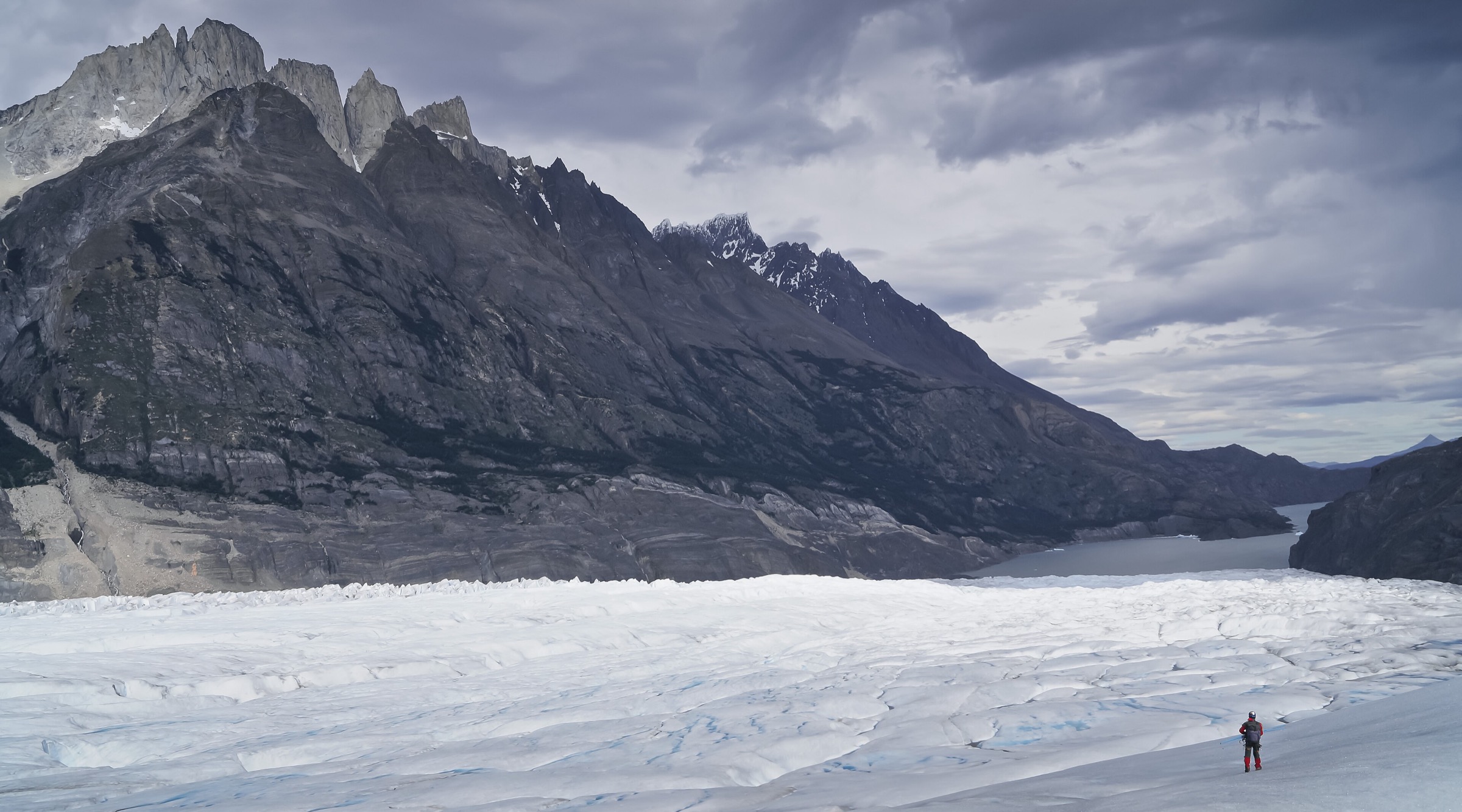
The W Trek is suitable for fit hikers with some hillwalking experience. It is not a technical mountaineering route. The main challenges are repeated hiking days, variable Patagonian weather, strong wind, rocky terrain, and the ascent to Base Torres.
Self-guided trekking is normally possible from October to the end of April. During the winter months, from May to September, hikers normally need to arrange a guide.
Advance planning is essential. Campsites or refugios must be reserved before starting the trek, and the park entrance ticket must be bought online before arrival.
Route files, maps and downloads
No GPX, KML, or PDF route file was found directly in the source article. However, the following map and route resources are useful for planning.
- Official PDF Park route-map PDF Official Torres del Paine National Park route-map PDF.
- Official PDF CONAF trekking brochure CONAF / park trekking brochure with route information.
- Maps Downloadable park maps TorresDelPaine.com index of downloadable park maps.
- Unofficial reference W Circuit reference Third-party GPX/KML reference from TrekkingTorresdelPaine.
- Unofficial GPS Wikiloc W Trek track Third-party Wikiloc community GPS trail for the W Trek.
Official park signage, CONAF guidance, ranger instructions, and current trail conditions should always take priority over third-party GPS tracks.
Know before you go
The W Trek is suitable for fit hikers with some hillwalking experience. It is not a technical mountaineering route. The main challenges are repeated hiking days, variable Patagonian weather, strong wind, rocky terrain, and the ascent to Base Torres.
Costs and budgeting
A self-guided W Trek is substantially cheaper than a guided package, but the total cost depends on the level of comfort and how much equipment and food is carried.
The lowest-cost version usually involves carrying a tent, sleeping system, stove, and food. Costs increase if hikers rent equipment in Puerto Natales, rent equipment at each campsite, book refugio beds, or add meals.
Approximate low-cost independent camping estimate
- Around CLP $228,500 per person, excluding food.
- This includes the return bus from Puerto Natales, park entry, the Pudeto to Paine Grande ferry, and campsites at Grey, Paine Grande, Francés, and El Chileno.
Additional cost considerations
- Renting equipment in Puerto Natales may add roughly CLP $147,000 per person for five days, based on two people sharing.
- Renting campsite equipment and adding full board is usually much more expensive.
- Refugio beds and meals can increase the total cost significantly.
Reservations: campsites and refugios
The W Trek uses official accommodation only. Wild camping is not allowed. Camping is permitted only in authorised areas.
Accommodation is divided between two main operators.
Vértice Patagonia
Grey · Paine Grande
Las Torres
Francés · Los Cuernos · Torres Central / Norte · El Chileno
Most self-guided W Trek itineraries require reservations through both operators unless using a third-party availability and booking platform.
Book as early as possible for December to February. High-season places can sell out months ahead, although cancellations sometimes reopen availability later.
Equipment
A low-cost self-guided trek requires full backpacking equipment.
Recommended equipment: tent, sleeping bag, sleeping mat, headtorch, stove, gas canister, cooking pot, bowl, mug, cutlery, waterproof jacket and trousers, warm layers, dry bags, and a rucksack large enough for camping kit and food.
A 60-litre pack is usually sufficient when carrying personal camping equipment.
Several campsites, including Francés, Los Cuernos, and El Chileno, use wooden tent platforms. Extra cord is useful because standard tent pegs may not work on these platforms.
Weather protection is essential. Patagonian conditions can change rapidly, and hikers should be prepared for rain, wind, cold, and possible snow.
Food and water
There are three main food strategies:
- Carry all food.
- Pre-book meals at campsites or refugios.
- Combine carried food with some booked meals.
Full board usually includes dinner, breakfast, and a packed lunch. Half-board and individual meals may also be available depending on the operator and campsite.
Water is generally available from streams and campsite taps. Water can often be collected from park watercourses, but it should be collected upstream of trails and away from campsites.
Getting to and from the trail
Puerto Natales is the normal base town for the W Trek.
Buses run from Puerto Natales into Torres del Paine, with stops including Laguna Amarga, Pudeto, Camping Pehoé, Administración, and Hotel Lago Grey.
For the eastern start, use Laguna Amarga and the Las Torres sector. For the western start, travel to Pudeto and take the Lago Pehoé catamaran to Paine Grande.
- Transport Bus Sur Puerto Natales to Torres del Paine bus services.
- Transport Lago Pehoé catamaran Pudeto to Paine Grande catamaran connection.
During high season, buses should be booked in advance.
Park entry
Entry tickets should be bought online before arrival. Tickets are no longer normally bought at the park entrance.
Download the QR code before entering the park because mobile signal is unreliable or absent.
Main route options
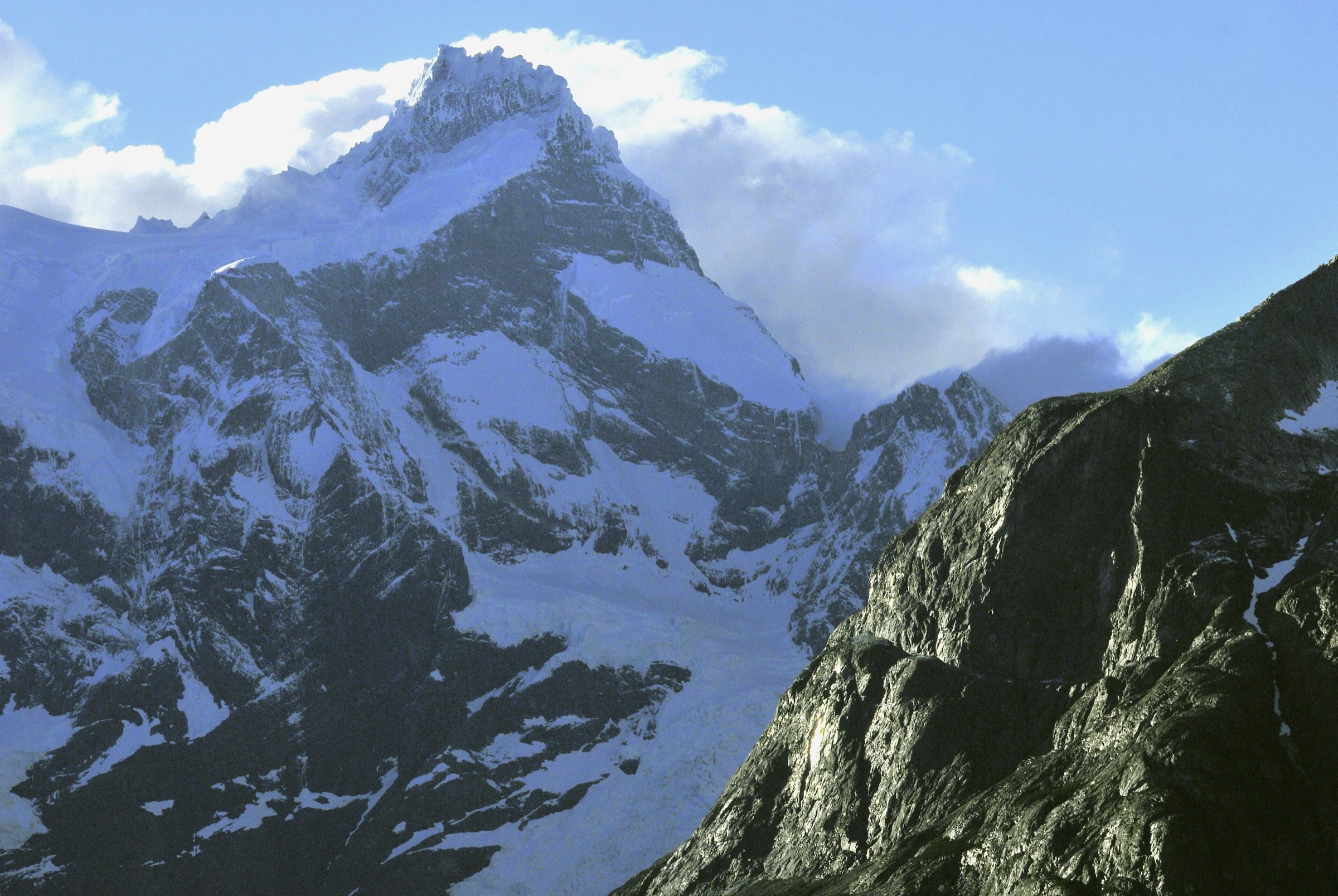
For most independent hikers, the best-balanced itinerary is the five-day west-to-east route. It starts with a manageable first day, gives time for Grey Glacier and the Francés Valley, and saves Base Torres for the final morning.
Option 1: Five days, west to east, sunrise at Base Torres
This is the classic version of the route. It starts gently and saves the Base Torres viewpoint for the final morning. It begins with bus and catamaran access to Paine Grande, continues to Grey, returns via Paine Grande, crosses towards Francés, then finishes through El Chileno and Base Torres.
Best for: first-time W Trek hikers; hikers wanting a balanced itinerary; hikers wanting to finish with Base Torres.
| Day | Itinerary | Distance / time |
|---|---|---|
| 1 | Puerto Natales to Grey via Pudeto bus and Paine Grande catamaran | About 11 km · 3 – 4 hours |
| 2 | Grey to Paine Grande, with optional extension to Grey Glacier viewpoints | About 18 km · 6 – 7 hours |
| 3 | Paine Grande to Francés via Guardería Italiano; optional Mirador Británico | About 11.5 km + 9 km extension |
| 4 | Francés to El Chileno | About 17 km · 4 – 5 hours |
| 5 | El Chileno to Base Torres at sunrise; descend to Las Torres and onward to Puerto Natales | About 13 km + up to 8 km if walking to Laguna Amarga |
Option 2: Four days, west to east, sunrise at Base Torres
This version begins with an afternoon transfer and an overnight at Paine Grande before the main hiking days. It is suitable for hikers with less time but requires longer stages.
Best for: hikers with limited time; strong walkers comfortable with longer days.
| Day | Itinerary | Distance |
|---|---|---|
| 0 | Puerto Natales to Paine Grande by afternoon bus and evening catamaran; overnight | — |
| 1 | Paine Grande to Grey and back, with optional glacier viewpoints | About 22 km + 7 km extension |
| 2 | Paine Grande to Francés via Guardería Italiano; optional Mirador Británico | About 11.5 km + 9 km extension |
| 3 | Francés to El Chileno | About 17 km |
| 4 | El Chileno to Base Torres at sunrise; descend to Las Torres and onward to Puerto Natales | — |
Option 3: Five days, east to west
This version starts from Laguna Amarga and the Las Torres sector, visits Base Torres early in the trek, then crosses west to Francés, Paine Grande, and Grey.
Best for: hikers whose accommodation availability works better east to west; hikers wanting to see Base Torres early.
| Day | Itinerary | Distance / time |
|---|---|---|
| 1 | Puerto Natales to Base Torres and Torres Central / Norte | About 18.4 km · 6 – 7 hours |
| 2 | Torres Central / Norte to Francés via Lago Nordenskjöld | About 14.5 km · ~5.5 hours |
| 3 | Francés to Paine Grande via Francés Valley (and optional Mirador Británico) | About 11.5 km + 9 km extension |
| 4 | Paine Grande to Grey, with optional glacier viewpoints | About 11 km + ~6 km extension |
| 5 | Grey to Paine Grande, catamaran to Pudeto and bus to Puerto Natales | — |
Option 4: Five days, east to west, sunrise at Base Torres
This version starts with a short approach to El Chileno, allowing an early sunrise ascent to Base Torres on the first main hiking day.
Best for: hikers specifically wanting a sunrise visit to Base Torres early in the route; hikers able to secure El Chileno accommodation.
| Day | Itinerary | Distance / time |
|---|---|---|
| 0 | Puerto Natales to El Chileno via Laguna Amarga and Welcome Centre | About 5 km · ~2 hours |
| 1 | El Chileno to Base Torres at sunrise, then to Los Cuernos | About 19.4 km |
| 2 | Los Cuernos to Paine Grande via Francés Valley | — |
| 3 | Paine Grande to Grey and back, with optional glacier viewpoints | — |
| 4 | Paine Grande, catamaran to Pudeto and bus to Puerto Natales | — |
Safety and trail rules
Stay on marked trails, camp only in authorised areas, carry all rubbish out, and follow posted trail closing times.
Walking outside authorised routes causes erosion and increases accident risk. Many serious accidents in the park occur away from authorised trails.
Night hiking is generally restricted or forbidden in park guidance because of risks including getting lost, falls, and wildlife disturbance. The popular sunrise hike to Base Torres should be checked locally with campsite staff or park rangers, as rules and enforcement may vary by season and sector.
Fire and smoking rules are strict. Heat sources are prohibited except for authorised camping-stove use in designated areas. Cooking is only allowed in specially enabled areas.
Guidebook recommendation
For most independent hikers, the best-balanced itinerary is the five-day west-to-east route. It starts with a manageable first day, gives time for Grey Glacier and the Francés Valley, and saves Base Torres for the final stage.
Hikers with limited time can compress the route into four days, but the long Grey out-and-back day is more demanding.
East-to-west itineraries are useful when accommodation availability dictates that direction or when seeing Base Torres early in the trek is the priority.