Regional overview
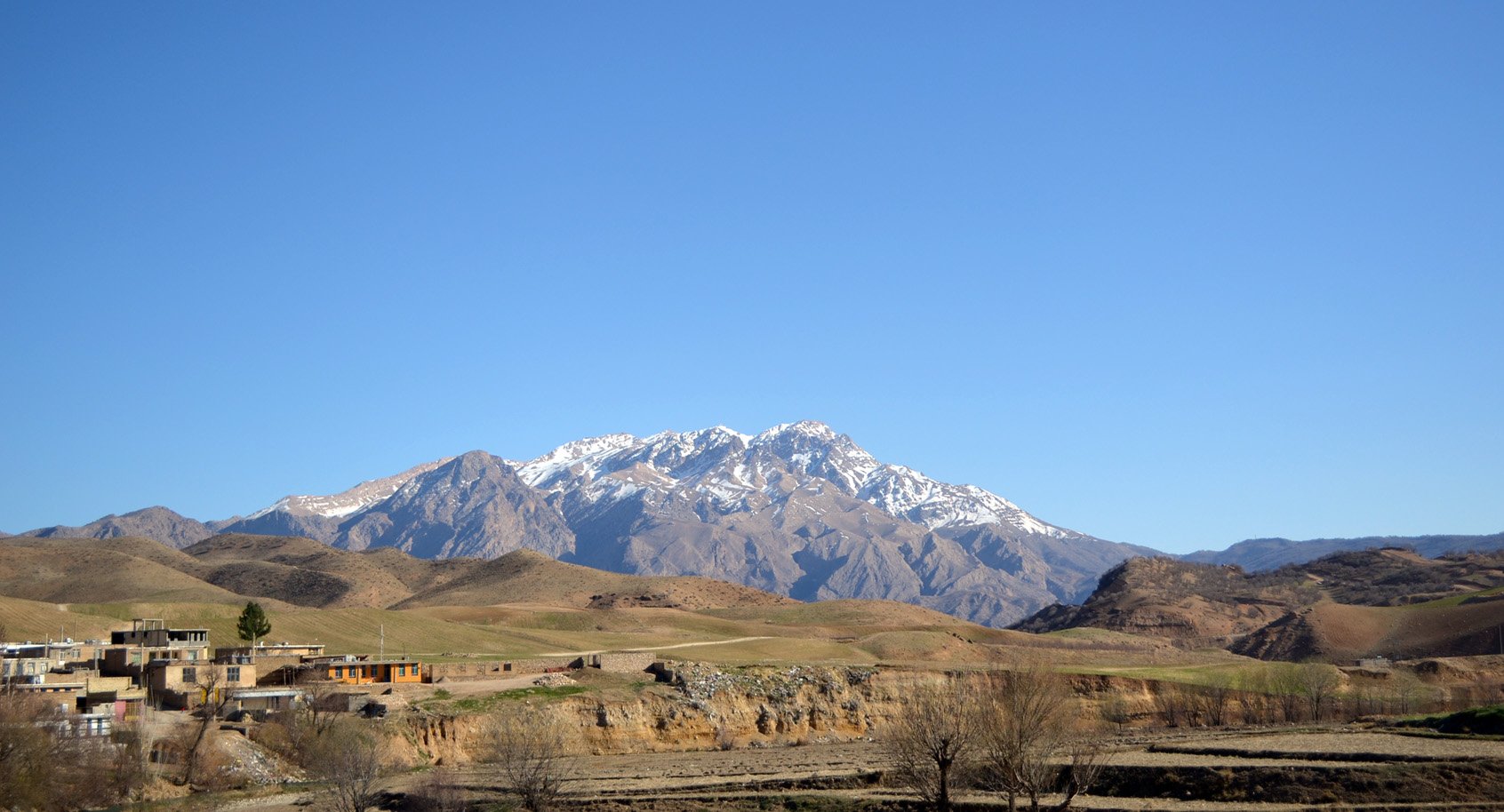
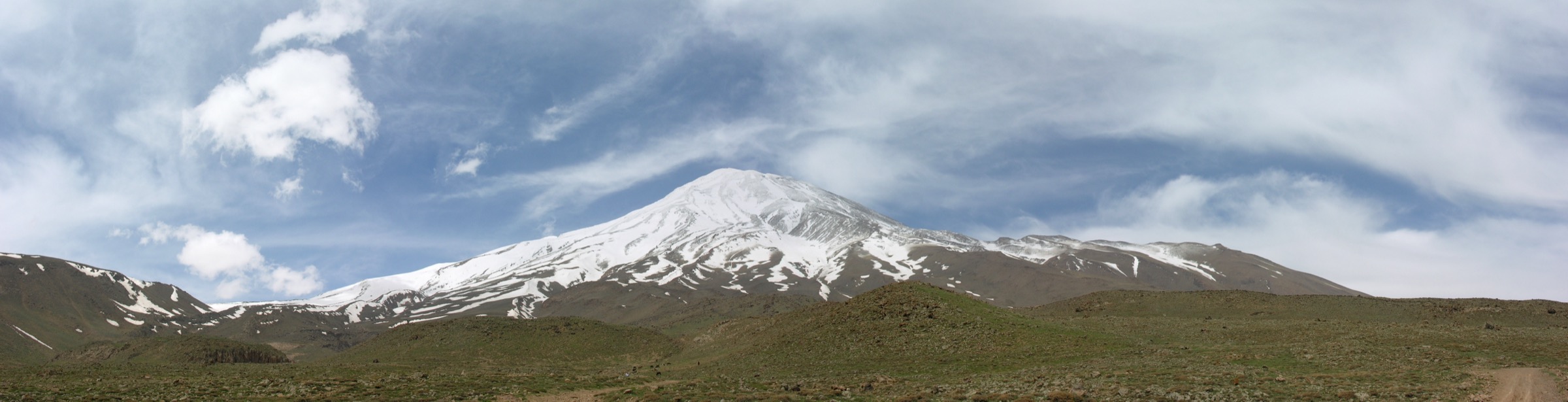
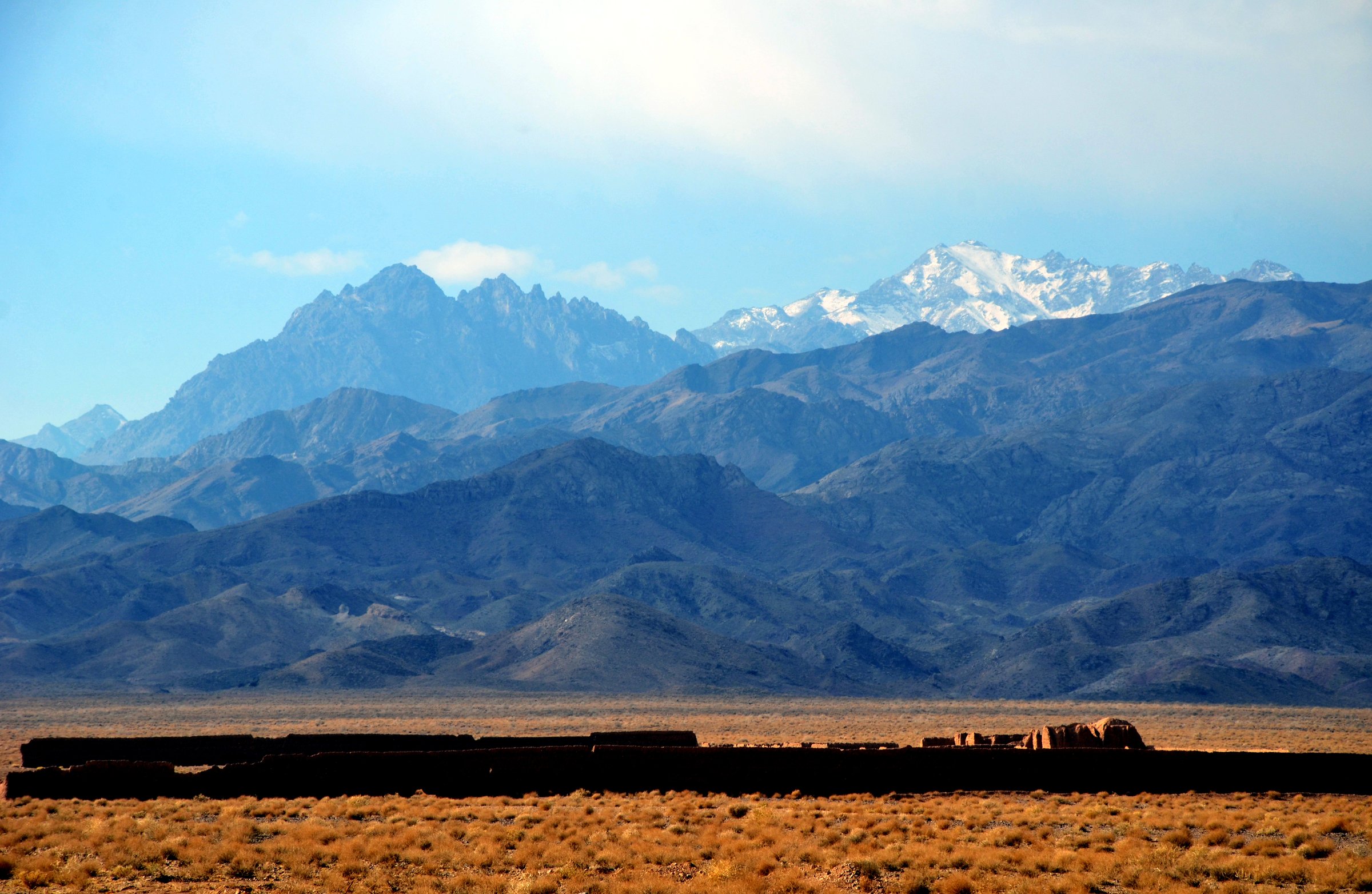
The Central Iranian Ranges are not a single compact hiking park but a chain of dry, high mountain groups rising above the Iranian Plateau. The principal day-hike objectives are in the Karkas Mountains of Isfahan Province, Shir Kuh above Yazd, and the high volcanic massifs of Kerman Province, especially Hezar, Lalehzar and Kuh-e Shah. These mountains give a strong cross-section of central Iranian walking: high arid ridges, spring-fed valleys, village approaches, snow-prone 4,000 m summits, and long views over desert basins.
The normal hiking season varies by elevation. Lower approaches can be hot from late spring into early autumn, while the 4,000 m summits carry winter snow and can have strong wind, icy upper slopes and lingering spring snow. Spring and autumn are generally more comfortable; high summer ascents should start before heat builds. Several sources are GPS-user route records rather than official park guides, so the statistics below are source-route values, not definitive official measurements.
Access is usually by private vehicle, taxi or local guide arrangement from Natanz, Yazd/Taft, Rayen, Baft or Kerman. Public transport to the actual trailheads is not well documented in open English sources. Water availability is seasonal and should not be assumed, even where springs are noted on route pages.
Selection rationale
These five hikes were selected to represent the essential central Iranian mountain pattern: the classic Karkas summit above Natanz, the best-known Yazd high summit of Shir Kuh, Kerman’s highest mountain Hezar, the Lalehzar high massif, and the major Kuh-e Shah summit. All five have public GPS/source-route evidence; official route statistics remain limited.
Summary table
| # | Hike | Country | Route type | Distance | Gain | Max elevation | Difficulty | Photo status |
|---|---|---|---|---|---|---|---|---|
| 1 | Mount Karkas from Ureh/Kesheh | Iran | Point-to-point / summit traverse | 16.5 km | 1,755 m | 3,852-3,896 m | Difficult | Commons image verified |
| 2 | Shir Kuh from Deh Bala / Sheikh Ali Shah | Iran | Loop / out-and-back variants | 17.2 km | 1,508 m | 4,033-4,075 m | Moderate-hard | Commons image verified |
| 3 | Kuh-e Hezar / Hazaran from Dar Zangi | Iran | Loop | 10.1 km | 1,111 m | 4,412-4,500 m | Moderate-hard | Commons image verified |
| 4 | Lalehzar Peak from Lalehzar/Ardi | Iran | Loop / long summit day | 22.8 km | 1,328 m | 4,322-4,375 m | Difficult | No verified open image |
| 5 | Kuh-e Shah from Bidan | Iran | Point-to-point / summit route | 24.5 km by GPS; author notes 15.5 km walked | 1,385-1,872 m | 4,325-4,380 m | Difficult | No verified open image |
1. Mount Karkas from Ureh/Kesheh
Snapshot
Itinerary
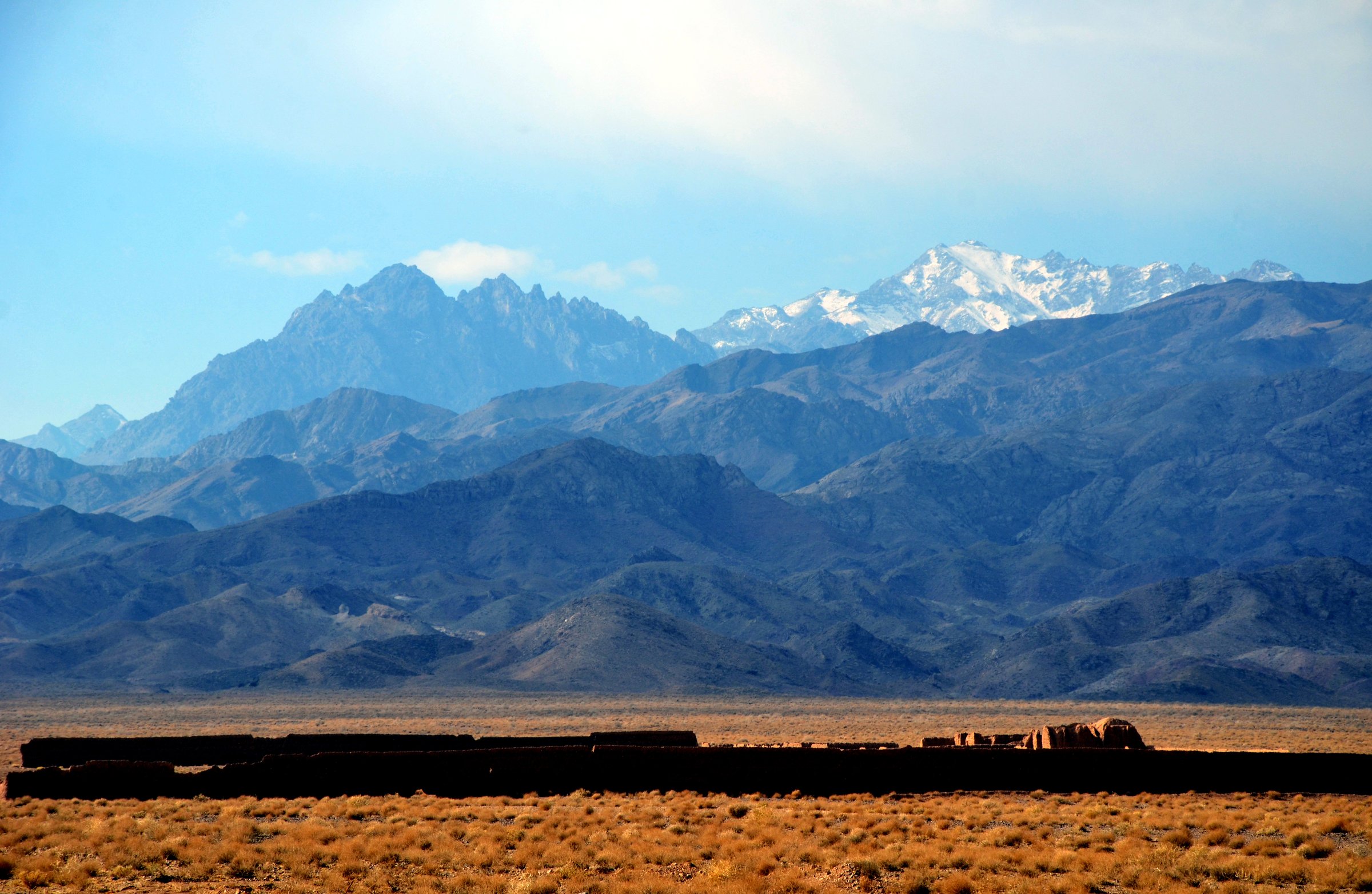
The cited route climbs from the northern Ureh approach through spring and waterfall terrain, passes Karkas spring and the upper rocky section, reaches the Karkas summit, then descends toward the Kesheh/Rayan side. Route notes identify several common Karkas approaches: southern Kesheh, eastern Tameh, north-eastern Ureh and north-western Bidhand. The southern Kesheh route is described by the Wikiloc author as the usual ascent route, while the Ureh approach is noted for more water and vegetation in spring and summer.
Why it is essential
Karkas is the defining high summit of the Karkas Mountains and one of the most recognisable central Iranian mountain objectives between Kashan, Natanz and Isfahan. It represents the northern part of the Central Iranian Range and gives a high, arid mountain contrast to the Yazd and Kerman peaks.
Equipment
Mountain hiking equipment: sturdy boots, trekking poles, warm layer, windproof/weatherproof layer, sun protection, headtorch, map/GPS and navigation backup. Carry enough water; springs are seasonal. In winter or early spring, snow equipment may be required and avalanche risk must be assessed locally.
Hazards and notes
The northern route includes steep ascent, loose/rocky sections and possible easy scrambling. Winter route notes warn that the summer path can be dangerous when fresh snow loads the slope. Heat, dehydration and thunderstorms are seasonal risks. Start/finish logistics need prior planning because the cited route is not a simple closed loop.
GPX / KML links
| Source | URL | Format | Licence / terms | Reuse status |
|---|---|---|---|---|
| Wikiloc — Karkas from Ureh path | wikiloc.com | Source route / downloadable trail for users | Wikiloc terms apply; page advertises “Download / Send trail to GPS” | Route-file download possible through Wikiloc; reuse terms unresolved |
| Wikimedia Commons Karkas category / OSM node | commons.wikimedia.org | Source map / mountain metadata | Commons text CC BY-SA; OSM data ODbL where used | Cross-check only |
Further reading
2. Shir Kuh from Deh Bala / Sheikh Ali Shah
Snapshot
Itinerary
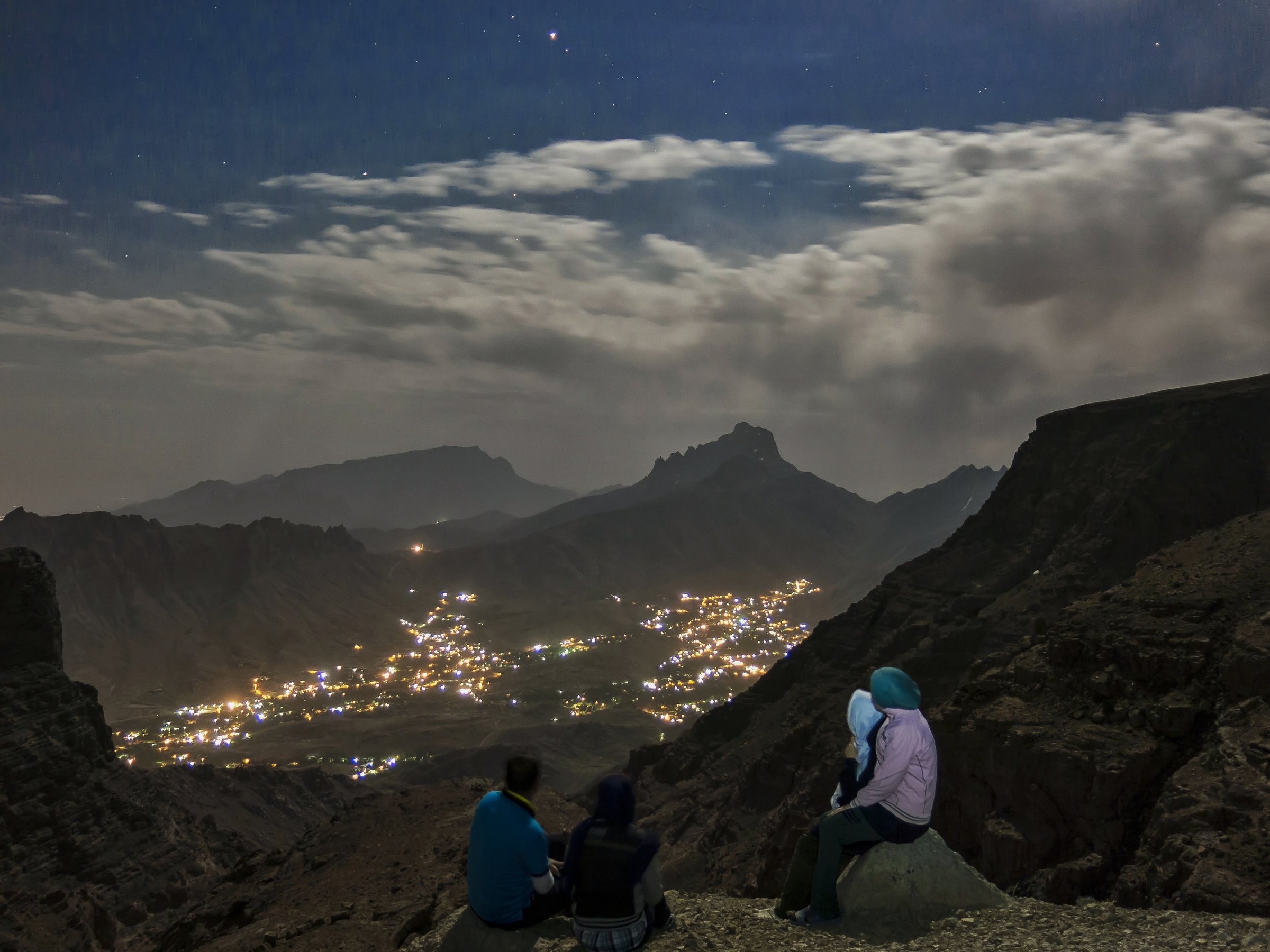
The common route starts near Deh Bala and Sheikh Ali Shah, then follows a marked path below large rock formations and through the Najib valley. The route reaches a shelter area around 3,500-3,550 m, then continues on a more open upper slope to Shir Kuh’s summit. The path is described as marked and traceable, but Najib valley is the steeper and less clear section.
Why it is essential
Shir Kuh is the emblematic high summit of Yazd Province and a central Iranian mountain rising sharply from desert country. The combination of a village approach, shelter, high 4,000 m summit and views over desert basins makes it a core route for this region.
Equipment
Mountain hiking equipment: sturdy boots, warm layer, windproof/waterproof shell, sun protection, headtorch, water, food, map/GPS and navigation backup. In cold seasons, add microspikes/crampons as conditions require and carry gloves/hat.
Hazards and notes
Cold-season climbs can be affected by blizzard and strong wind, especially on the upper ascent. Early starts are recommended in summer to reduce heat exposure. Water springs are mentioned on the route, but seasonal flow must be checked locally. Snow can make the upper route more serious.
GPX / KML links
| Source | URL | Format | Licence / terms | Reuse status |
|---|---|---|---|---|
| Wikiloc — Shir Kuh Peak, Yazd, Iran | wikiloc.com | Source route / downloadable trail for users | Wikiloc terms apply | Route-file download possible through Wikiloc; reuse terms unresolved |
| Wikiloc — Shir kooh summit | wikiloc.com | Source route / downloadable trail for users | Wikiloc terms apply | Secondary route cross-check |
Further reading
- IranRoute — Shir Kuh overview and route notes
- Tappersia — Shirkooh Mountain route and seasonal notes
- Wikiloc — Shir Kuh Peak Yazd Iran
- Wikiloc — Shir kooh summit
3. Kuh-e Hezar / Hazaran from Dar Zangi
Snapshot
Itinerary
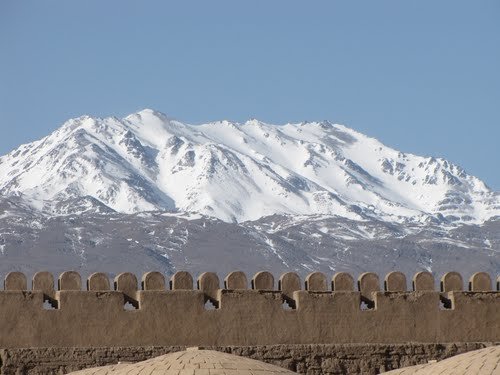
The cited route starts near Dar Zangi and climbs past seasonal water points and the Ardikan waterfall waypoint before gaining the ridge and summit of Hezar. The recorded loop returns to the start area after the summit. Hezar is a high volcanic mountain in Kerman Province and is commonly described as the highest summit in Kerman.
Why it is essential
Hezar is the major high point of the Kerman sector of the Central Iranian Plateau. It gives the catalogue a representative southern central Iranian 4,000 m summit and a route with better public GPS statistics than many nearby peaks.
Equipment
Mountain hiking equipment: sturdy boots, trekking poles recommended, warm and windproof layers, sun protection, headtorch, map/GPS and sufficient water. Snow or ice equipment may be needed outside the main summer window.
Hazards and notes
Altitude, wind and rapid weather change are the main mountain hazards. Seasonal streams may be dry. The source route is user-recorded; local confirmation of the trailhead, water and current access is required before travel.
GPX / KML links
| Source | URL | Format | Licence / terms | Reuse status |
|---|---|---|---|---|
| Wikiloc — Hezar summit | wikiloc.com | Source route / downloadable trail for users | Wikiloc terms apply | Route-file download possible through Wikiloc; reuse terms unresolved |
| Wikiloc — Kuh-e Hezar, Kerman | wikiloc.com | Source route / downloadable trail for users | Wikiloc terms apply | Secondary route cross-check |
Further reading
4. Lalehzar Peak from Lalehzar/Ardi
Snapshot
Itinerary
The cited Lalehzar routes climb from the Lalehzar/Ardi side toward the high summit area, crossing open high-country slopes and gaining the summit ridge. The 2025 loop is long and returns to the starting side; another public route records a shorter one-way ascent profile. Route variants should be checked locally before selecting the exact publishing geometry.
Why it is essential
Lalehzar is one of the highest and most prominent Kerman Province objectives after Hezar and Kuh-e Shah. It broadens the Central Iranian Ranges entry beyond the better-known Karkas-Shir Kuh axis and represents the volcanic Sahand-Bazman-related highlands of south-east Iran.
Equipment
Mountain hiking equipment: sturdy boots, warm layer, shell, sun protection, trekking poles, headtorch, food, water and GPS/map backup. Carry extra water unless current spring information is confirmed.
Hazards and notes
The long loop pushes the upper end of the day-hike constraint and should be considered a strenuous day for fit walkers. Wind, altitude and heat on the approach are significant considerations. Route statistics vary by variant.
Photos
| Image | Source | Author | Licence | Reuse notes | Attribution |
|---|---|---|---|---|---|
| Unresolved | - | - | - | No verified open-licence image selected | - |
GPX / KML links
| Source | URL | Format | Licence / terms | Reuse status |
|---|---|---|---|---|
| Wikiloc — Lalehzar Peak Kerman | wikiloc.com | Source route / downloadable trail for users | Wikiloc terms apply | One-way ascent route; reuse terms unresolved |
| Wikiloc — Lalehzar Peak at Kerman loop | wikiloc.com | Source route / downloadable trail for users | Wikiloc terms apply | Long loop route; reuse terms unresolved |
Further reading
5. Kuh-e Shah from Bidan
Snapshot
Itinerary
The route approaches from Bidan, follows a rough road/track section toward the parking area and old mine-road terrain, passes a seasonal spring and the Takht-e Kuh-e Shah camp area, then climbs through larger rocks and cairned ground toward the summit. The author notes a practical ascent of about 15.5 km and 1,385 m, while the GPS table records a longer point-to-point line.
Why it is essential
Kuh-e Shah is one of the major high Kerman Province peaks and an important companion to Hezar and Lalehzar in the central Iranian highlands. It is included with a clear warning that the source statistics are inconsistent and should be refined before travel.
Equipment
Mountain hiking equipment: sturdy boots, trekking poles, windproof/warm layers, sun protection, headtorch, water, food and GPS/map backup. Snow equipment may be needed outside the dry summer season.
Hazards and notes
The route is long, high and partly rough underfoot. Published statistics disagree between the GPS table and author description, probably because of vehicle approach/recording differences and long stopped time. Confirm the exact trailhead, current road access and water at the seasonal spring locally.
Photos
| Image | Source | Author | Licence | Reuse notes | Attribution |
|---|---|---|---|---|---|
| Unresolved | - | - | - | No verified open-licence image selected | - |
GPX / KML links
| Source | URL | Format | Licence / terms | Reuse status |
|---|---|---|---|---|
| Wikiloc — Kuh-e Shah Kerman | wikiloc.com | Source route / downloadable trail for users | Wikiloc terms apply | Route-file download possible through Wikiloc; reuse terms unresolved |
Further reading
Further reading
| Source | URL |
|---|---|
| IranRoute — Shir Kuh | iranroute.com |
| Tappersia — Shirkooh Mountain | tappersia.com |
| Wikiloc — Karkas from Ureh path | wikiloc.com |
| Wikiloc — Shir Kuh Peak Yazd Iran | wikiloc.com |
| Wikiloc — Hezar summit | wikiloc.com |
| Wikiloc — Lalehzar Peak Kerman | wikiloc.com |
| Wikiloc — Kuh-e Shah Kerman | wikiloc.com |