Regional overview
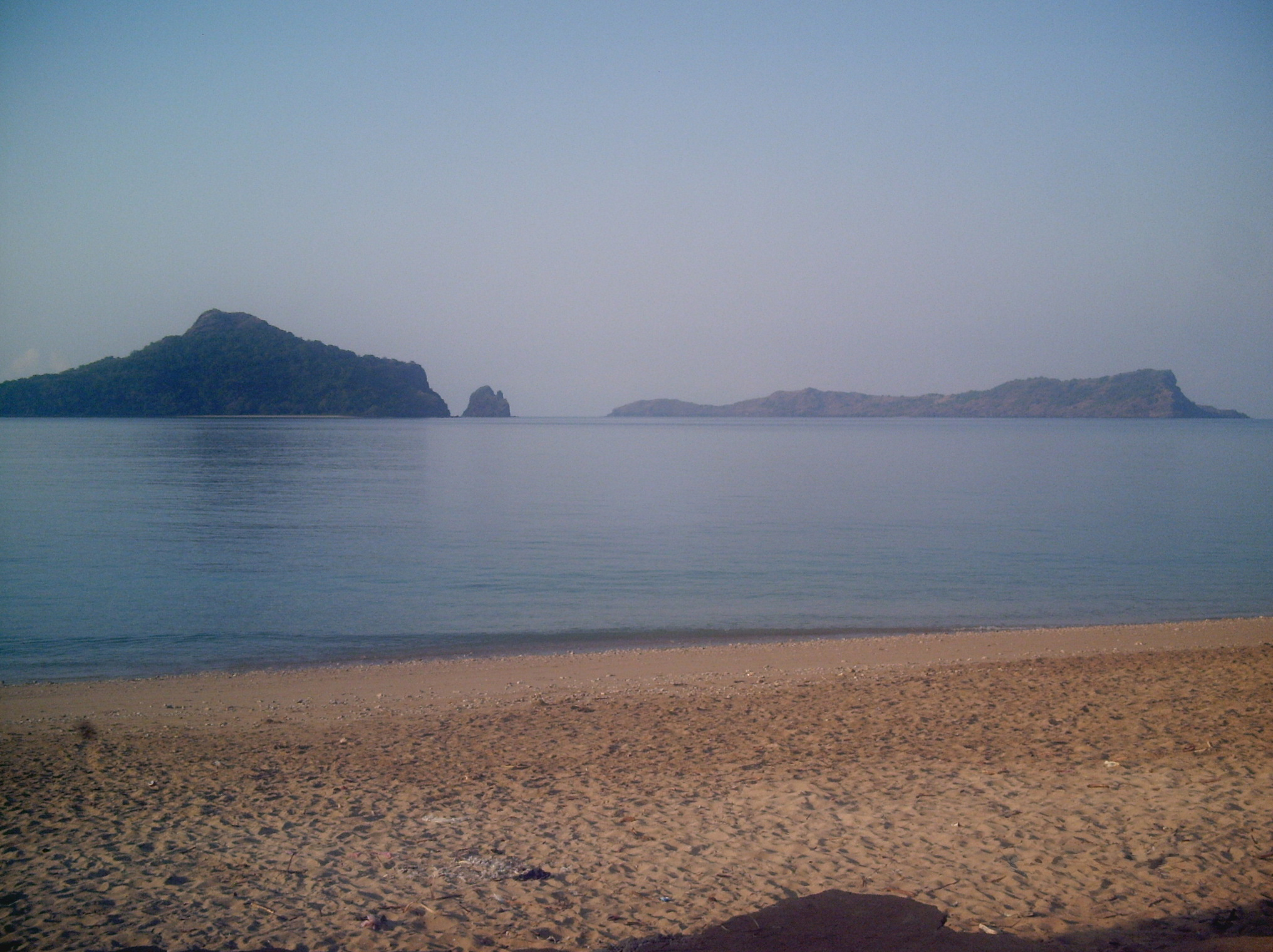
Mohéli, or Mwali, is the smallest of the main Comoros islands. Its walking character is lower and more coastal than Grande Comore or Anjouan, but the interior still has rugged ridges, stream valleys, and remnant forest around Mount Mlédjélé / Mzé Koukoulé. Mohéli National Park covers 643.62 km² across marine, coastal, and terrestrial areas, and was expanded in 2015 to include much of the island’s land area.
Published day-hike data is very sparse. The strongest natural objectives are the Mwali highlands around Mount Mlédjélé, the Lake Dziani Boundouni Ramsar crater lake, and the Nioumachoua / Ouallah sectors of Mohéli National Park. None has a verified public GPX or measured hiking route.
This entry treats all five hikes as candidates rather than finished guidebook routes. They are still useful planning targets because they represent the island’s high ridge, crater lake, coastal-park viewpoints, ridge-to-coast forest edges, and north-slope access.
Selection rationale
The five candidates cover the main documented Mohéli highland and park landscapes: Mount Mlédjélé, Lake Dziani Boundouni, Nioumachoua, Ouallah, and the Fomboni / Djoièzi north-slope approaches. Route statistics remain unresolved until a future source provides mapped geometry.
Summary table
| # | Hike | Country | Route type | Distance | Gain | Max elevation | Difficulty |
|---|---|---|---|---|---|---|---|
| 1 | Mount Mlédjélé / Mzé Koukoulé highland ridge | Comoros | Unresolved | Unresolved | Unresolved | 790 m | Unverified |
| 2 | Lake Dziani Boundouni crater-lake access walk | Comoros | Unresolved | Unresolved | Unresolved | Unresolved | Unverified |
| 3 | Nioumachoua marine-park viewpoint walk | Comoros | Unresolved | Unresolved | Unresolved | Unresolved | Unverified |
| 4 | Ouallah ridge-to-coast forest edge | Comoros | Unresolved | Unresolved | Unresolved | Unresolved | Unverified |
| 5 | Fomboni / Djoièzi north-slope highland candidate | Comoros | Unresolved | Unresolved | Unresolved | Unresolved | Unverified |
1. Mount Mlédjélé / Mzé Koukoulé highland ridge
Snapshot
Itinerary
The objective is the highland ridge around Mount Mlédjélé / Mzé Koukoulé, the highest documented Mohéli upland. A public hiking line, trailhead, route length, and access conditions are not currently established and would need local confirmation before any attempt.
Why it is essential
The Mlédjélé highlands are the core terrestrial mountain feature of Mohéli and are associated with remaining forest and endemic wildlife. A verified route here would be the natural highland anchor for the island.
Equipment
- Sturdy boots suited to wet, rooty ground
- Rain layer and sun protection
- At least 2 L water per hiker and food for a full day
- Map and navigation backup (no signed trail to follow)
Hazards and notes
- Trail existence, forest condition, water points, and local permissions are unresolved
- Park rules apply within Mohéli National Park; engage a local guide before setting out
- Steep slopes become slick after rain
2. Lake Dziani Boundouni crater-lake access walk
Snapshot
Itinerary
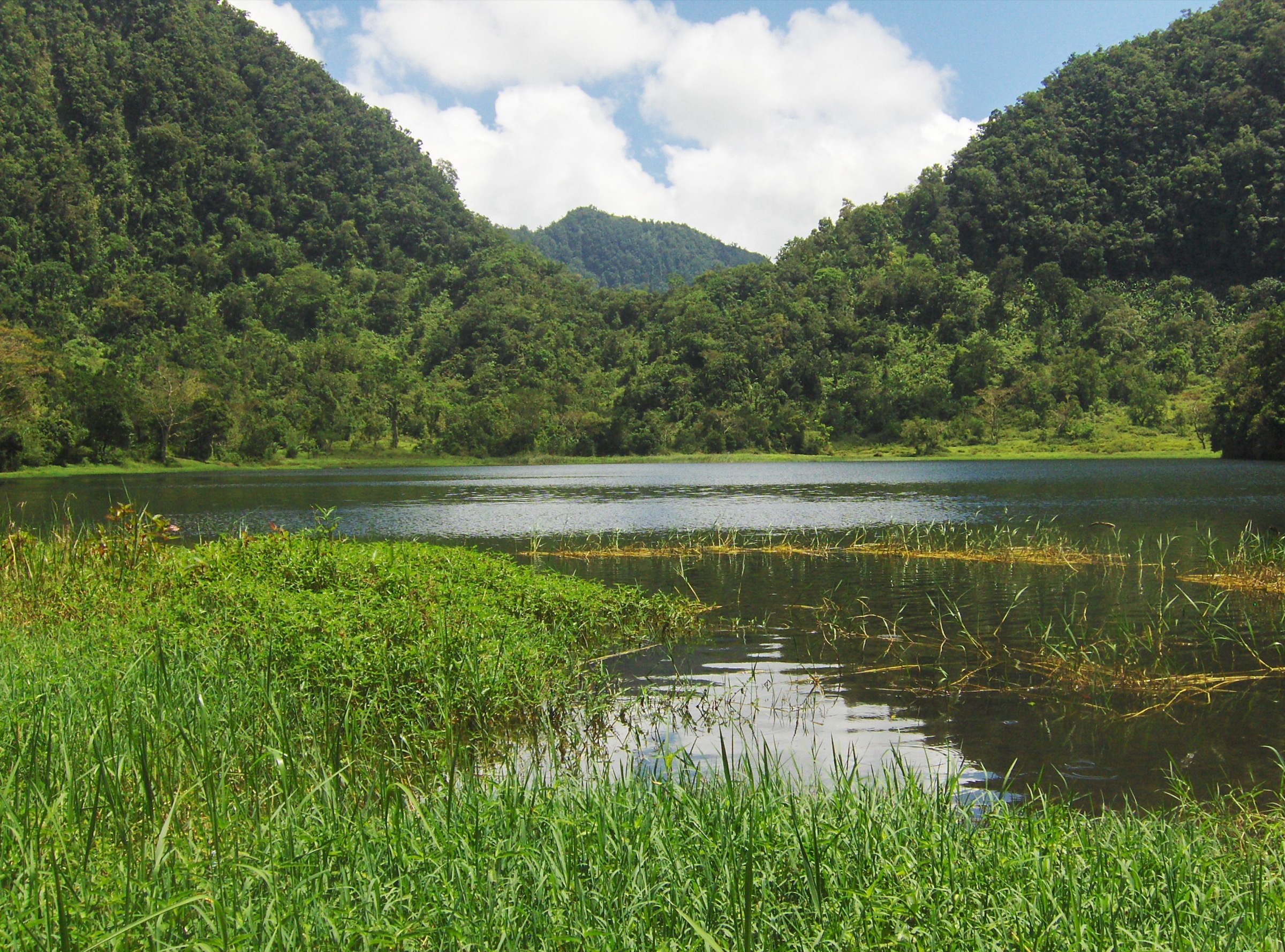
The objective is an access walk to Lake Dziani Boundouni, a crater lake in south-eastern Mohéli. Ramsar lists it as a 30 ha freshwater crater lake and one of the few freshwater lakes in Comoros. A safe, legal walking line has not been mapped publicly.
Why it is essential
Dziani Boundouni is Mohéli’s most clearly documented inland crater-lake site and a Ramsar wetland. It gives the Mohéli selection a freshwater volcanic objective distinct from the marine-park coast.
Equipment
- Walking shoes or light boots
- Rain protection and sun protection
- Water and snacks for several hours away from any tap
- Map and navigation backup
Hazards and notes
- Lake-edge access, cultural rules, and private or cultivated land require local confirmation
- Ramsar notes unusual limnological characteristics and bird value — keep disturbance low
- Mosquito exposure can be high near standing water
3. Nioumachoua marine-park viewpoint walk

Snapshot
Itinerary
This candidate uses local paths above or near Nioumachoua for viewpoints over Mohéli National Park’s coastal and islet landscape. No official walking route or measured trail data is currently published.
Why it is essential
Nioumachoua is closely associated with Mohéli’s protected marine-park landscape and gives the hiking selection a coastal viewpoint complement to the interior ridge and lake candidates.
Equipment
- Light walking shoes
- Strong sun protection: hat, long sleeves, sunscreen
- At least 2 L water per hiker
- Insect repellent
Hazards and notes
- Cliffs, heat, and protected-area rules require local confirmation
- Boat access to islets or reef areas is outside the scope of this hike
- Carry out all waste — the marine park is sensitive habitat
4. Ouallah ridge-to-coast forest edge

Snapshot
Itinerary
This candidate would link a lower ridge or forest-edge track above Ouallah with coastal views inside Mohéli National Park. No public route statistics or route file currently exist.
Why it is essential
Ouallah provides a potential ridge-to-coast expression of Mohéli’s protected landscape and connects the island’s terrestrial slopes with its better-known marine park.
Equipment
- Sturdy footwear suitable for muddy or rooty ground
- Rain protection and sun protection
- At least 2 L water per hiker
- Map and navigation backup
Hazards and notes
- Access through village land requires permission
- Steep or muddy paths after rain
- National-park rules apply within the park boundary
5. Fomboni / Djoièzi north-slope highland candidate
Snapshot
Itinerary
The objective is a north-slope highland walk from the Fomboni / Djoièzi side toward the island interior. The sector is convenient for access because Fomboni is the island capital and the airport lies between Fomboni and Djoièzi, but no mapped route is currently published.
Why it is essential
If confirmed, this route would give the selection an accessible northern approach to the Mohéli highlands, balancing the southern park and crater-lake candidates.
Equipment
- Sturdy footwear
- Rain layer and sun protection
- Water and food for the full day
- Map and navigation backup
Hazards and notes
- Trail existence, land access, and highland turnaround points need local verification
- Steep ground above the agricultural belt
- Engage a local guide for any meaningful highland push
Further reading
| Resource | Link |
|---|---|
| Wikipedia — Mohéli National Park | en.wikipedia.org |
| Wikipedia — Mohéli | en.wikipedia.org |
| Protected Planet — Parc National de Mohéli | protectedplanet.net |
| Ramsar Sites Information Service — Lake Dziani Boundouni | rsis.ramsar.org |