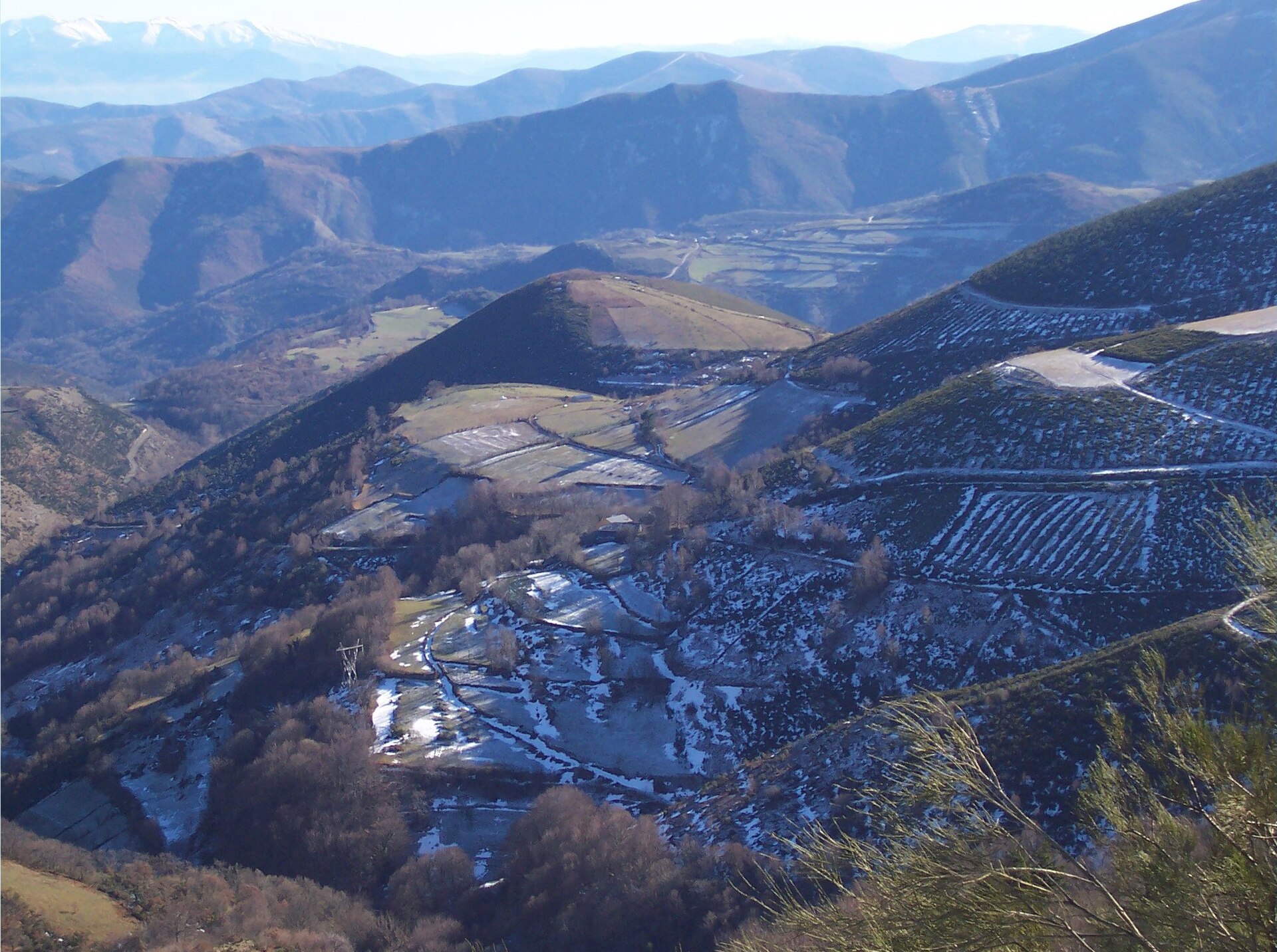
The French Way is the best-known and most historically established route to Santiago de Compostela. In Galicia, it enters from El Bierzo at O Cebreiro and continues west across the province of Lugo and into A Coruña, finishing at the cathedral in Santiago de Compostela.
Key facts
Overview
The official Galician section is graded medium difficulty and can be followed by two variants after Triacastela: the shorter route through San Xil, or the longer route through Samos. The San Xil option is 155 km; the Samos option is 162.2 km.
Historical background
The French Way was already described in the 12th-century Codex Calixtinus, whose fifth book functioned as an early pilgrim guide. It listed stages, sanctuaries, places of hospitality, food, fountains and local customs.
The wider French Way developed from four principal approaches through France. Three entered Spain at Roncesvalles and one at Somport. These branches joined before continuing west across northern Spain towards Galicia and Santiago de Compostela.
Route outline
O Cebreiro to Triacastela
The Galician section begins at O Cebreiro, a high mountain village known for the pre-Romanesque church of Santa María a Real, its traditional pallozas and its views over the entry into Galicia. From O Cebreiro, the route descends through Liñares, Hospital da Condesa, Padornelo, Fonfría and Biduedo before reaching Triacastela.
Triacastela to Sarria
From Triacastela, there are two main alternatives.
The San Xil variant is shorter and more direct. It passes through rural hamlets and woodland before reaching Sarria.
The Samos variant is longer but passes the monastery of Samos, one of the major cultural landmarks on this part of the Camino.
Sarria to Portomarín
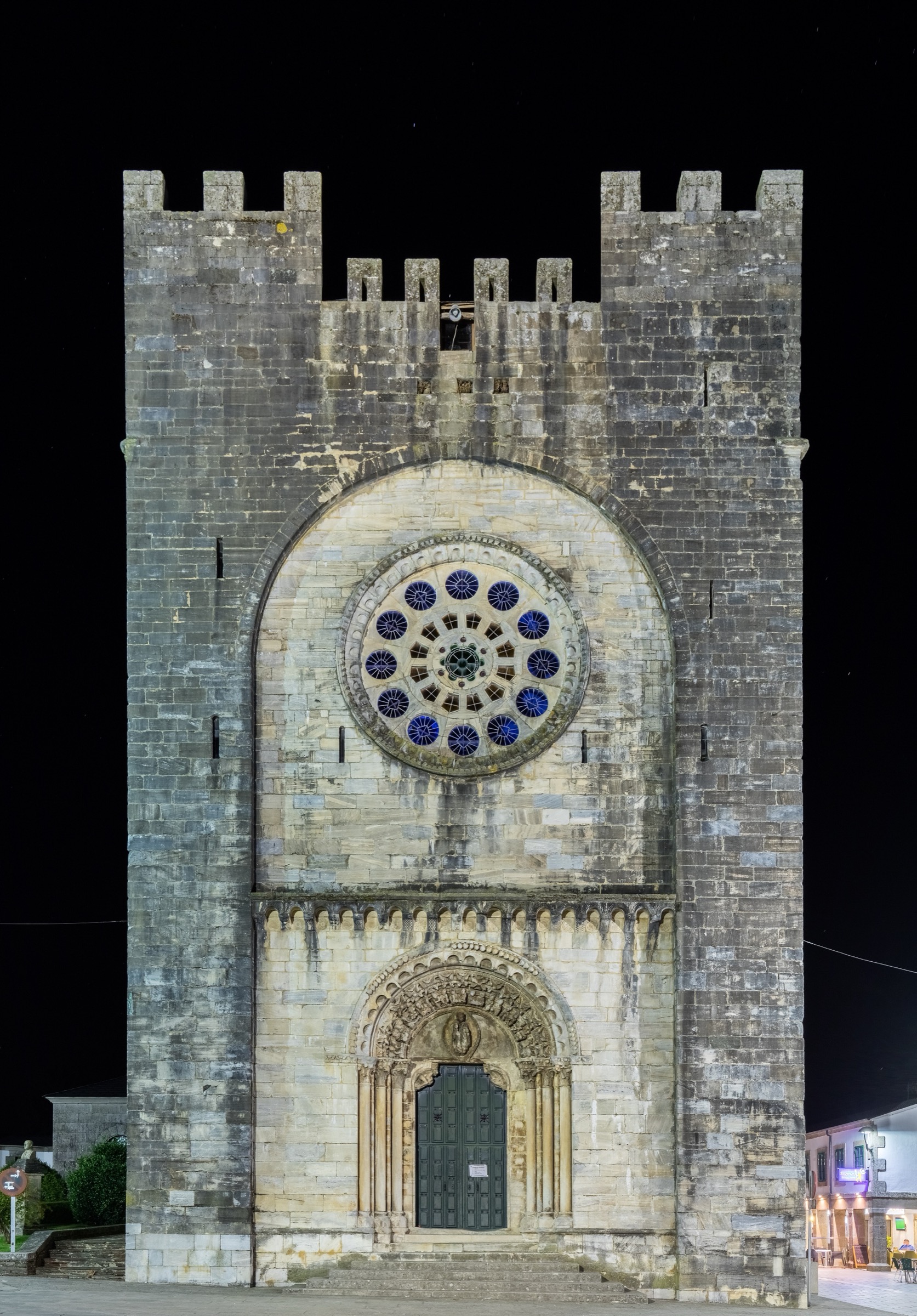
Sarria is the most common starting point for pilgrims walking the final distance required for the Compostela certificate. From Sarria, the route continues through Barbadelo and Ferreiros to Portomarín. The modern town of Portomarín was rebuilt above the Miño after the creation of the Belesar reservoir.
Portomarín to Palas de Rei
From Portomarín, the route crosses the interior of Galicia through Gonzar, Vendas de Narón, A Eirexe and Lestedo before reaching Palas de Rei.
Palas de Rei to Melide
The Camino continues through rural settlements including O Leboreiro before reaching Melide. At Melide, the French Way meets the Primitive Way.
Melide to Arzúa
Beyond Melide, the route passes Boente and Ribadiso before reaching Arzúa, a traditional stopping point in a cheese-producing area.
Arzúa to Arca/O Pino
From Arzúa, the route continues through A Salceda, Santa Irene and Arca/O Pino. This stage is often used as the final overnight stop before Santiago.
Arca/O Pino to Santiago de Compostela
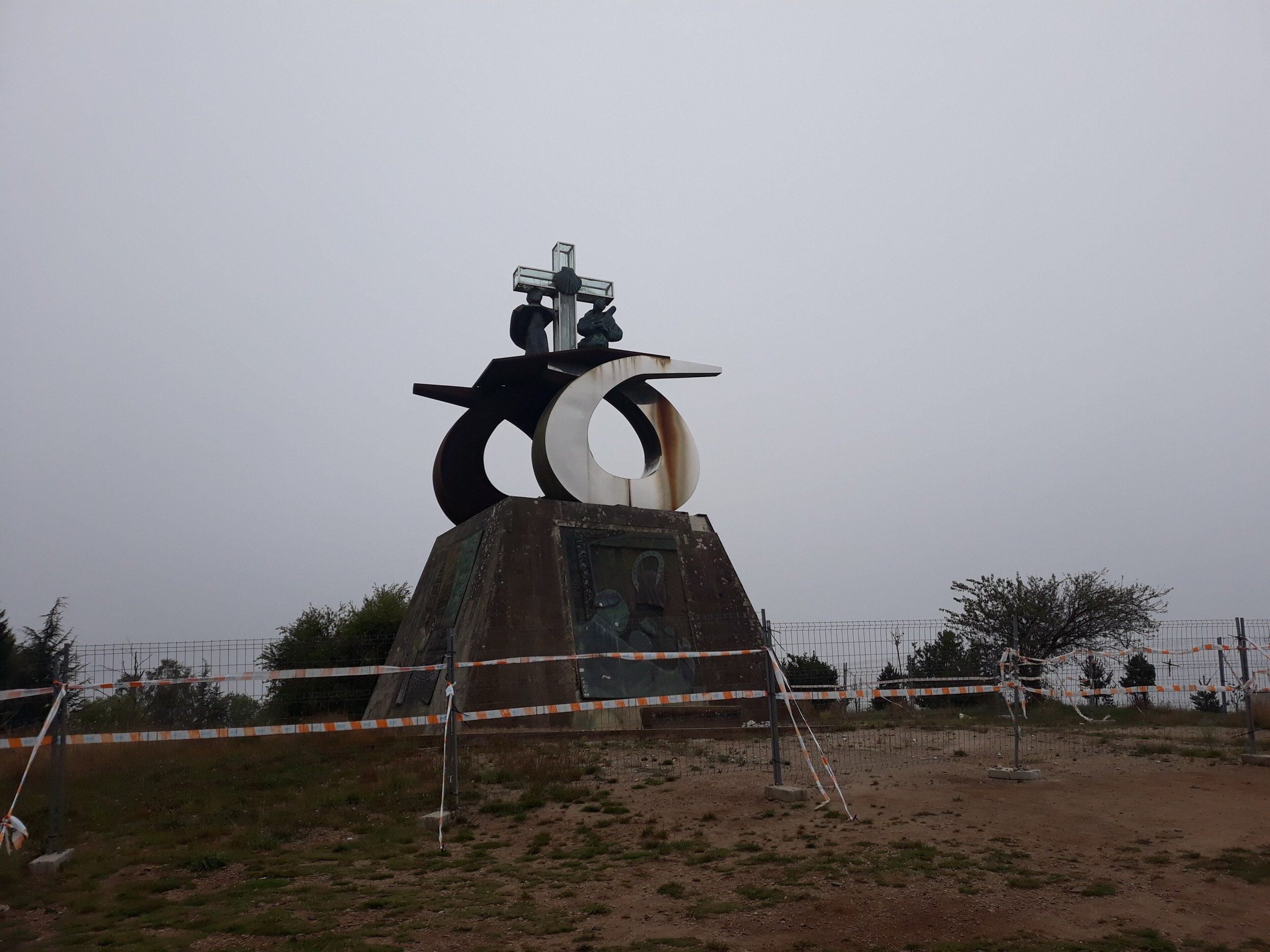
The final approach passes A Lavacolla and Monte do Gozo before entering Santiago de Compostela. Monte do Gozo provides the first broad view of the city before the final descent into the historic centre and the cathedral.
Typical walking stages in Galicia
| Stage | Distance |
|---|---|
| O Cebreiro to Triacastela | 21.8 km |
| Triacastela to Sarria via San Xil | 18 km |
| Triacastela to Sarria via Samos | 25.1 km |
| Sarria to Portomarín | 22.2 km |
| Portomarín to Palas de Rei | 25.0 km |
| Palas de Rei to Melide | 14.6 km |
| Melide to Arzúa | 14.3 km |
| Arzúa to Arca/O Pino | 18.5 km |
| Arca/O Pino to Santiago de Compostela | 20.2 km |
Downloadable route files
- PDF French Way Official walking-route brochure for the full French Way through Galicia.
- PDF French Way by Bicycle Cyclist-oriented version of the official French Way brochure.
- KML KML of the route Google Earth–compatible route file for the French Way.
No official GPX file was found on the source page. The official downloadable route file available there is KML.
Based on official information from caminodesantiago.gal.