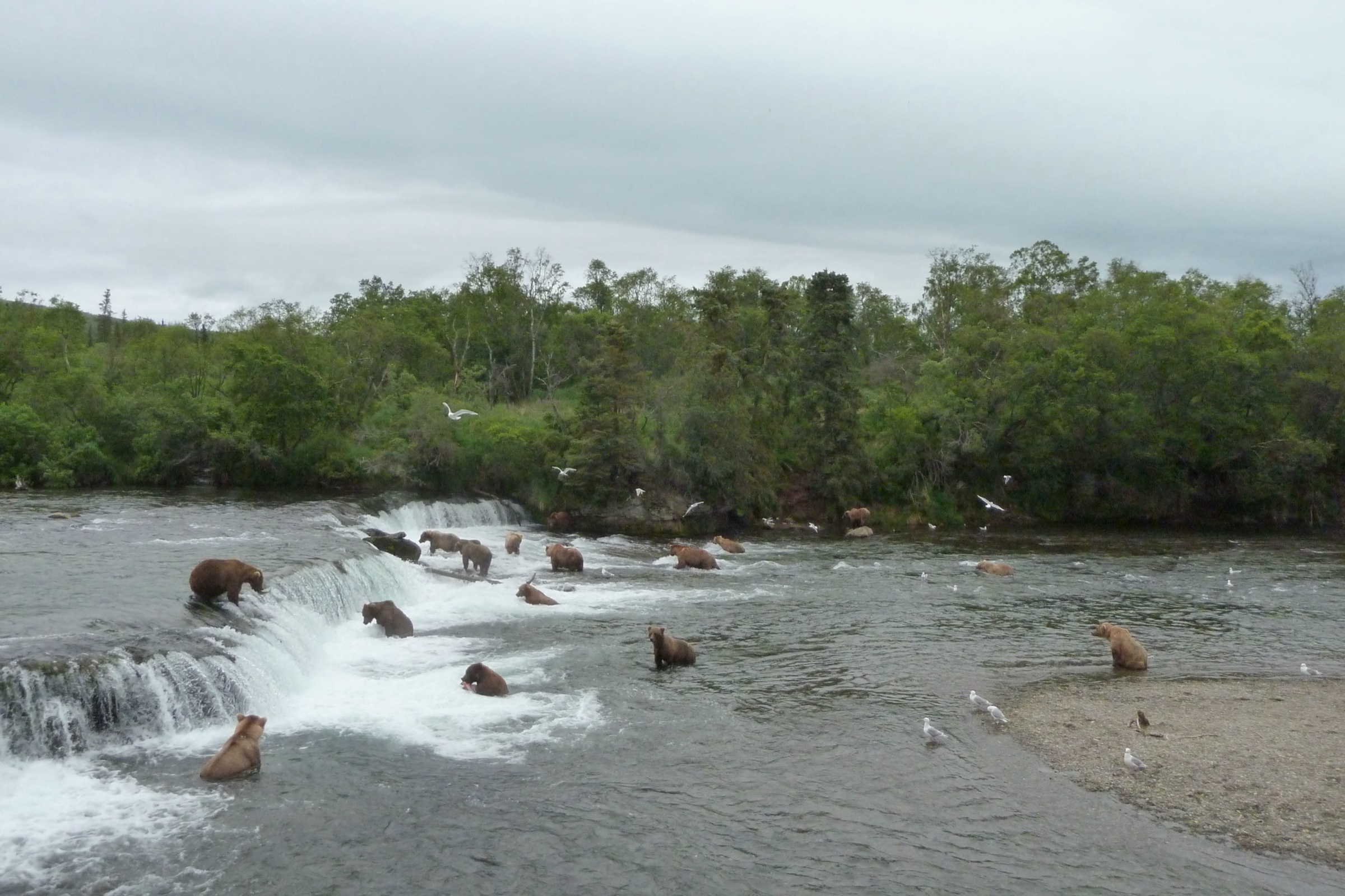
Regional overview
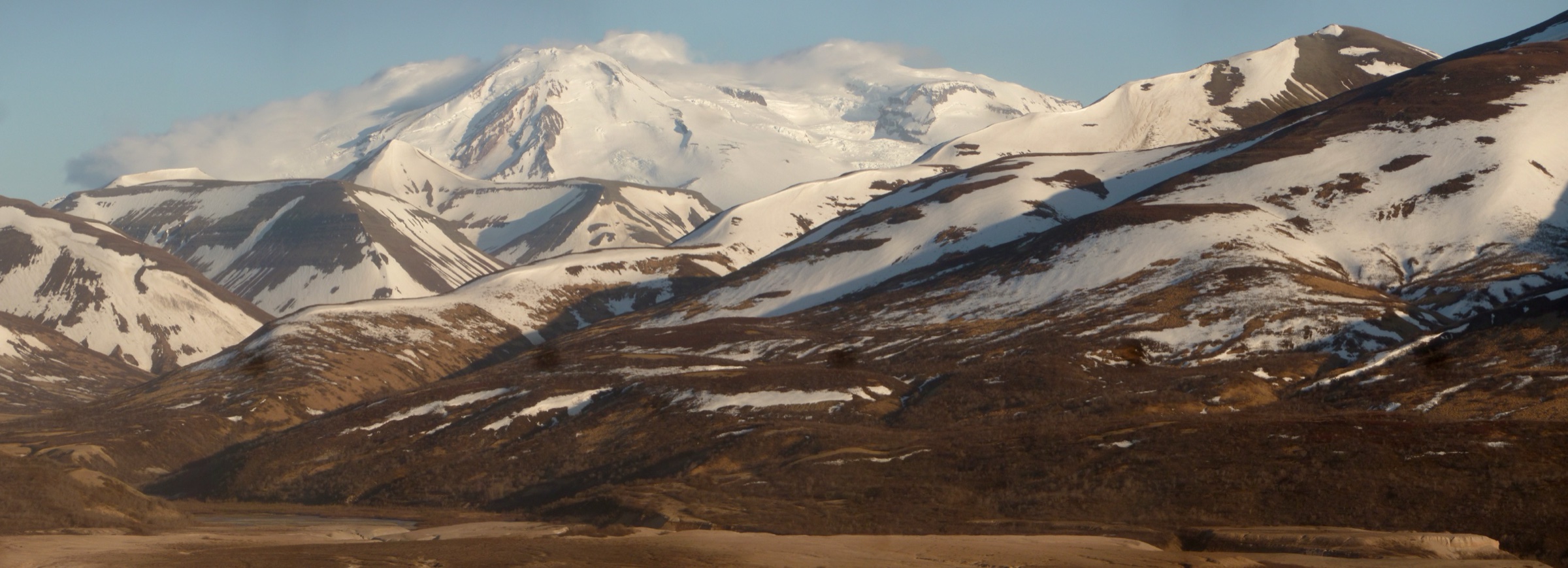
Katmai National Park and Preserve and Aniakchak National Monument and Preserve form a remote stretch of the Alaska Peninsula where day-hiking is shaped by lakes, salmon-rich rivers, ash valleys, and brown bears. The recognised hiking centre is Brooks Camp on the north shore of Naknek Lake, with the Valley of Ten Thousand Smokes reached by tour bus from there. Aniakchak, around 380 km south-west, is a wilder caldera-floor objective with no established trails.
There are very few maintained footpaths in this region. The National Park Service lists a small set of established walks around Brooks Camp — Dumpling Mountain, the Cultural Site Trail, and the Brooks Falls bear-viewing platform corridor — alongside the longer Valley road and ranger-led Valley floor descent. Aniakchak has no formal trails at all; walking takes place on caldera ash and cinder.
The usual hiking season is June to September, but cold rain, fog, volcanic ash, river crossings, insects, and brown-bear encounters can be part of the summer experience. Rain gear, warm layers, navigation backup, bear-aware conduct around food and gear, and conservative turnaround decisions are essential. The Alaska Peninsula volcanoes day-hike catalogue is a sister entry focused on the wider Alaska Peninsula volcanic arc, and the Aleutian Islands volcanic ranges day-hike catalogue carries the same arc south-west into the Aleutians.
Selection rationale
The selected hikes centre on what is realistically walkable from Brooks Camp on a single day, plus the two big volcanic objectives that complete a Katmai/Aniakchak catalogue. Dumpling Mountain is the principal summit-style hike from camp; the Brooks Falls platform corridor and Cultural Site Trail are the two short signature walks that define the Brooks Camp visit; the Valley of Ten Thousand Smokes floor descent is the essential 1912 Novarupta landscape objective; and Aniakchak is included as a candidate because no Katmai/Aniakchak catalogue is complete without a caldera-floor entry, even though the route data is not yet publication-grade.
Summary table
| # | Hike | Country | Route type | Distance | Gain | Max elevation | Difficulty |
|---|---|---|---|---|---|---|---|
| 1 | Dumpling Mountain — overlook and summit | USA | Out-and-back | 14.5 km | 783 m | 742 m | Hard |
| 2 | Brooks Falls and Riffles platforms | USA | Out-and-back boardwalk | 2.4 km | Minimal | Not verified | Easy |
| 3 | Brooks Camp Cultural Site Trail | USA | Out-and-back / loop | 1.6 km | Minimal | Not verified | Easy |
| 4 | Valley of Ten Thousand Smokes floor descent | USA | Bus-assisted out-and-back | 5.4 km hiking | 305 m | Not stated | Moderate |
| 5 | Aniakchak Caldera Floor: Surprise Lake to The Gates | USA | Off-trail out-and-back / traverse candidate | Unresolved | Unresolved | Unresolved | Remote / hard |
1. Dumpling Mountain — overlook and summit
Snapshot
Itinerary
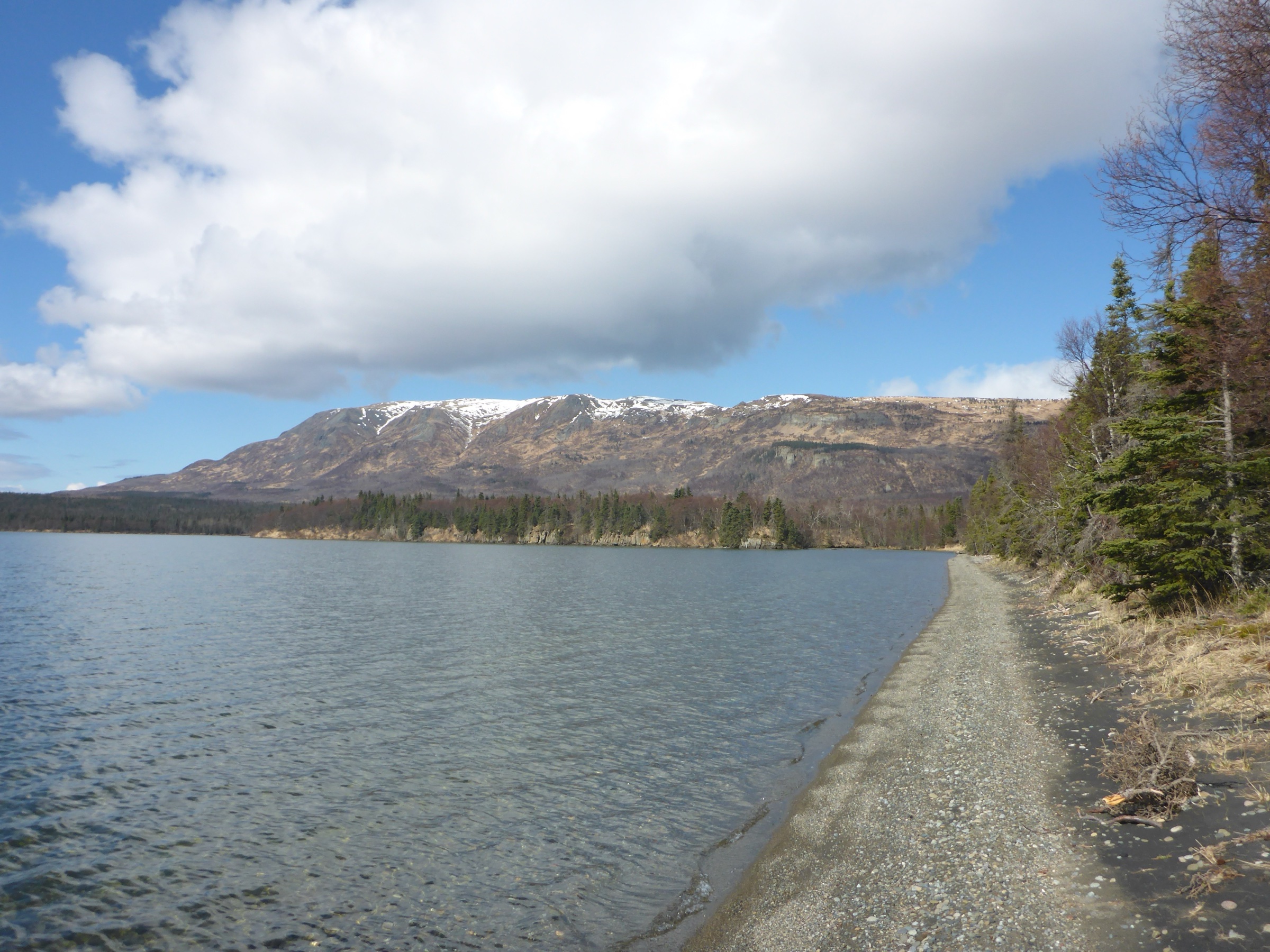
The route starts in the Brooks Camp Campground and climbs from boreal forest toward the Dumpling Mountain overlook. NPS describes an 800 ft / 244 m climb to the first overlook above Brooks Camp, with longer options continuing through subalpine and alpine tundra toward the summit. Views from the upper trail open onto Naknek Lake, the Brooks River, Lake Brooks, and the broader Katmai volcanic landscape.
Why it is essential
Dumpling Mountain is the principal established mountain hike from Brooks Camp and gives the clearest trail-accessible high viewpoint over the lake, river, and tundra setting that defines the Katmai visitor zone.
Equipment
Mountain hiking equipment: boots, rain jacket and rain pants, warm layer, map/GPS, food, water, insect protection, bear-aware food storage, and bear spray where locally recommended.
Hazards and notes
NPS warns that weather can change rapidly and that cold, wet conditions can occur throughout summer. Bears and moose may be encountered around Brooks Camp; food and gear storage regulations must be followed. Fog can make the upper route more navigationally serious.
GPX / KML links
| Source | URL | Format / access | Reuse status |
|---|---|---|---|
| AllTrails — Dumpling Mountain Trail | alltrails.com | Interactive source map | AllTrails terms; GPX reuse not verified; source/check only |
| NPS — Hiking in Brooks Camp | nps.gov | Official route description, not GPX | Route facts usable as official source; no downloadable route file found |
Further reading
2. Brooks Falls and Riffles platforms
Snapshot
Itinerary
From the Brooks Camp visitor area, the route crosses the Brooks River bridge and follows the established boardwalk corridor through spruce forest to the Falls bear-viewing platform above Brooks Falls. The Riffles platform sits on the same corridor closer to the river mouth and is usually taken on the return leg. NPS rangers may close or hold sections of the trail when bears are present in the corridor, which can extend the time well beyond the short distance.
Why it is essential
Brooks Falls is the single most globally recognised bear-viewing scene in the world. As a short walk it is the defining Brooks Camp objective and the reason most visitors fly in at all.
Equipment
Light hiking gear: boots or sturdy trail shoes, rain jacket, warm layer, water, snacks, sun and insect protection, and binoculars. Tripods and large bags are restricted on the platforms.
Hazards and notes
The corridor is mandatory bear country. Visitors must complete the NPS bear-orientation school at Brooks Camp before using the trail. Trail holds during bear activity can be long and unpredictable; the platforms can be crowded in peak July. Keep food in the designated food cache, not in day-packs.
GPX / KML links
Further reading
3. Brooks Camp Cultural Site Trail
Snapshot
Itinerary
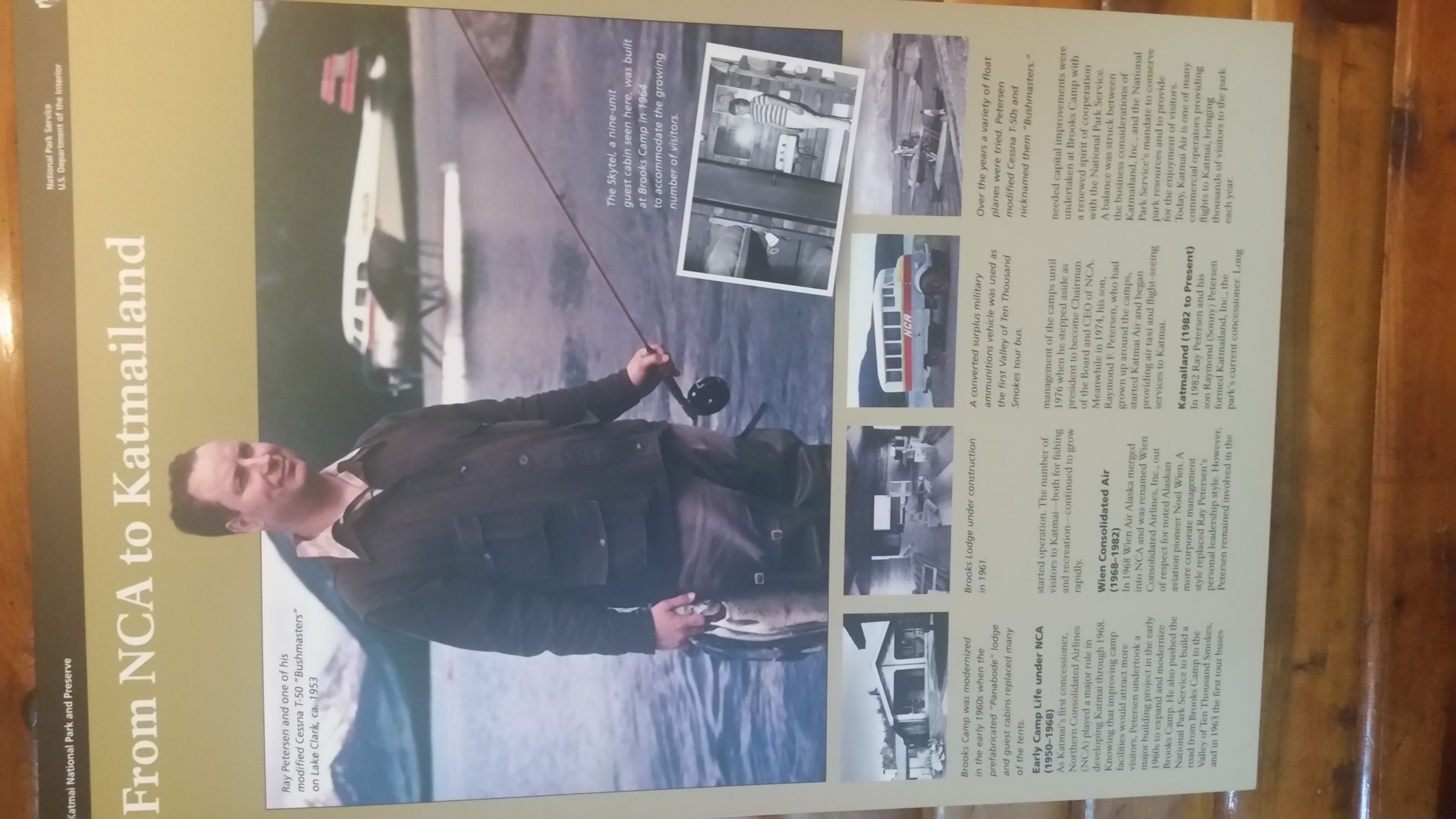
The Cultural Site Trail is a short interpretive walk from the Brooks Camp visitor area to a reconstructed Alutiiq semi-subterranean dwelling and a cluster of excavated house depressions on a low terrace above the Brooks River. Interpretive panels cover the 4,500-plus years of human use of the Brooks River corridor, one of the most archaeologically dense sites in coastal Alaska.
Why it is essential
This is the only Brooks Camp walk that frames the landscape through its human history rather than its wildlife. Pairing it with the Falls platforms gives a complete read of why Brooks Camp matters as both a salmon and a cultural site.
Equipment
Light walking gear: trail shoes, rain jacket, warm layer, insect protection, water. No special equipment beyond standard Brooks Camp bear-aware conduct.
Hazards and notes
The trail crosses bear-habitat terraces; bear sightings on the path are possible and the corridor can be closed at short notice by rangers. Stay on the boardwalk and respect roped-off archaeological features. Mosquitoes can be heavy in mid-summer.
GPX / KML links
Further reading
4. Valley of Ten Thousand Smokes floor descent
Snapshot
Itinerary
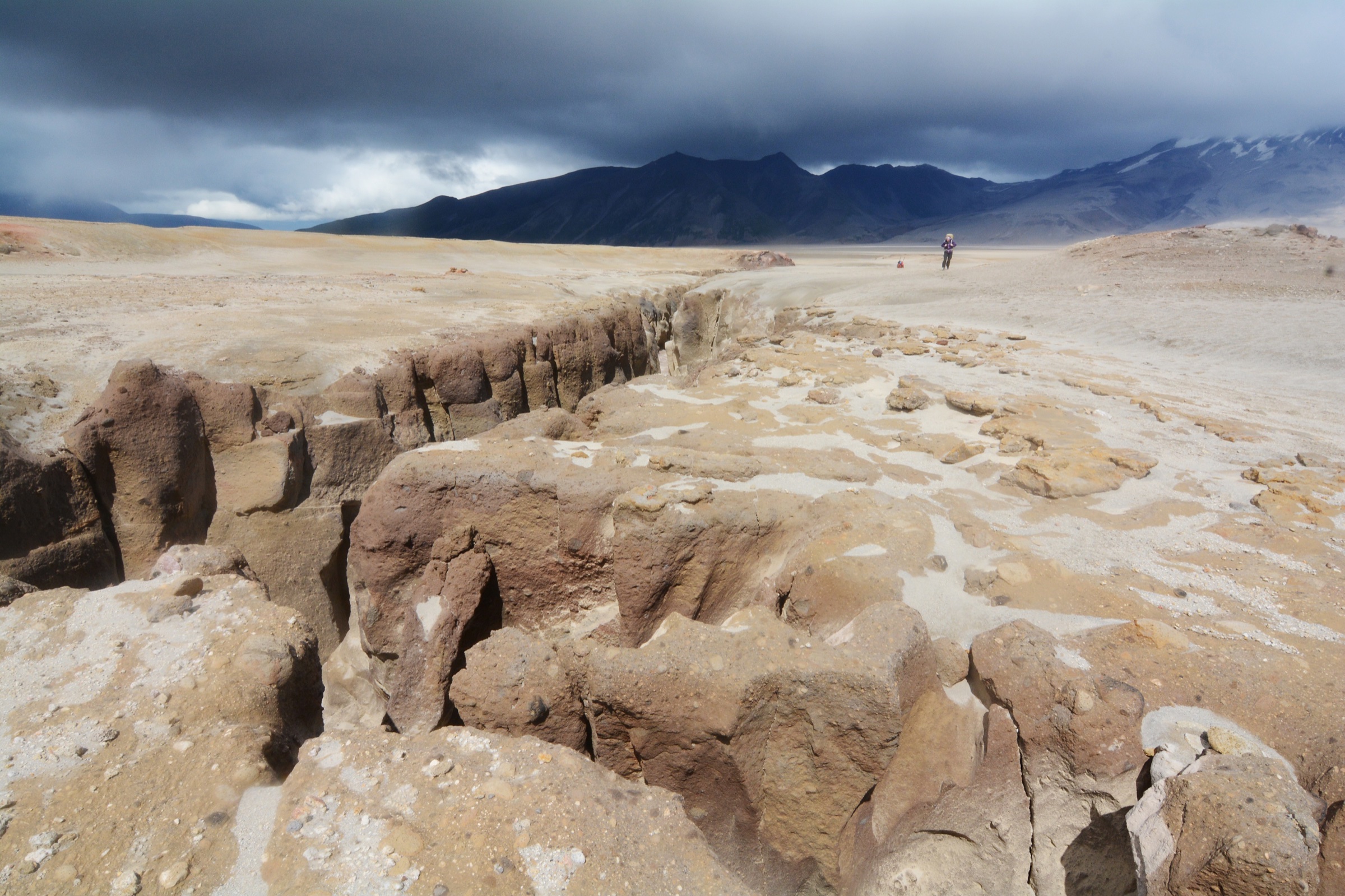
The day begins with the long bus journey from Brooks Camp to the Robert F. Griggs Visitor Center at the lip of the Valley of Ten Thousand Smokes. After the lunch stop, the official NPS-described option is a ranger-led descent to the Valley floor, walking through the ash-and-pumice landscape laid down by the 1912 Novarupta eruption, with the River Lethe carving canyons through the deposit.
Why it is essential
This is the most accessible non-technical way to stand inside the Valley of Ten Thousand Smokes — the defining volcanic landscape of Katmai and one of the world’s classic eruption terrains.
Equipment
Mountain hiking equipment: hiking boots, rain gear, warm clothing, water, food, sun/wind protection, and a daypack. NPS specifically advises water, hiking boots, rain gear, and warm clothing for the tour.
Hazards and notes
Reservations and a fee are required for the tour according to NPS. Same-day flight arrivals and departures need enough time around the 9:00 a.m. tour start and late-afternoon return. Ash slopes, wind, rain, and bus schedule constraints make independent wandering inappropriate.
GPX / KML links
| Source | URL | Format / access | Reuse status |
|---|---|---|---|
| NPS — Ranger-led Programs, Valley of Ten Thousand Smokes Tour | nps.gov | Official route description, not GPX | Route facts usable as official source; no downloadable route file found |
Further reading
5. Aniakchak Caldera Floor: Surprise Lake to The Gates
Snapshot
Itinerary
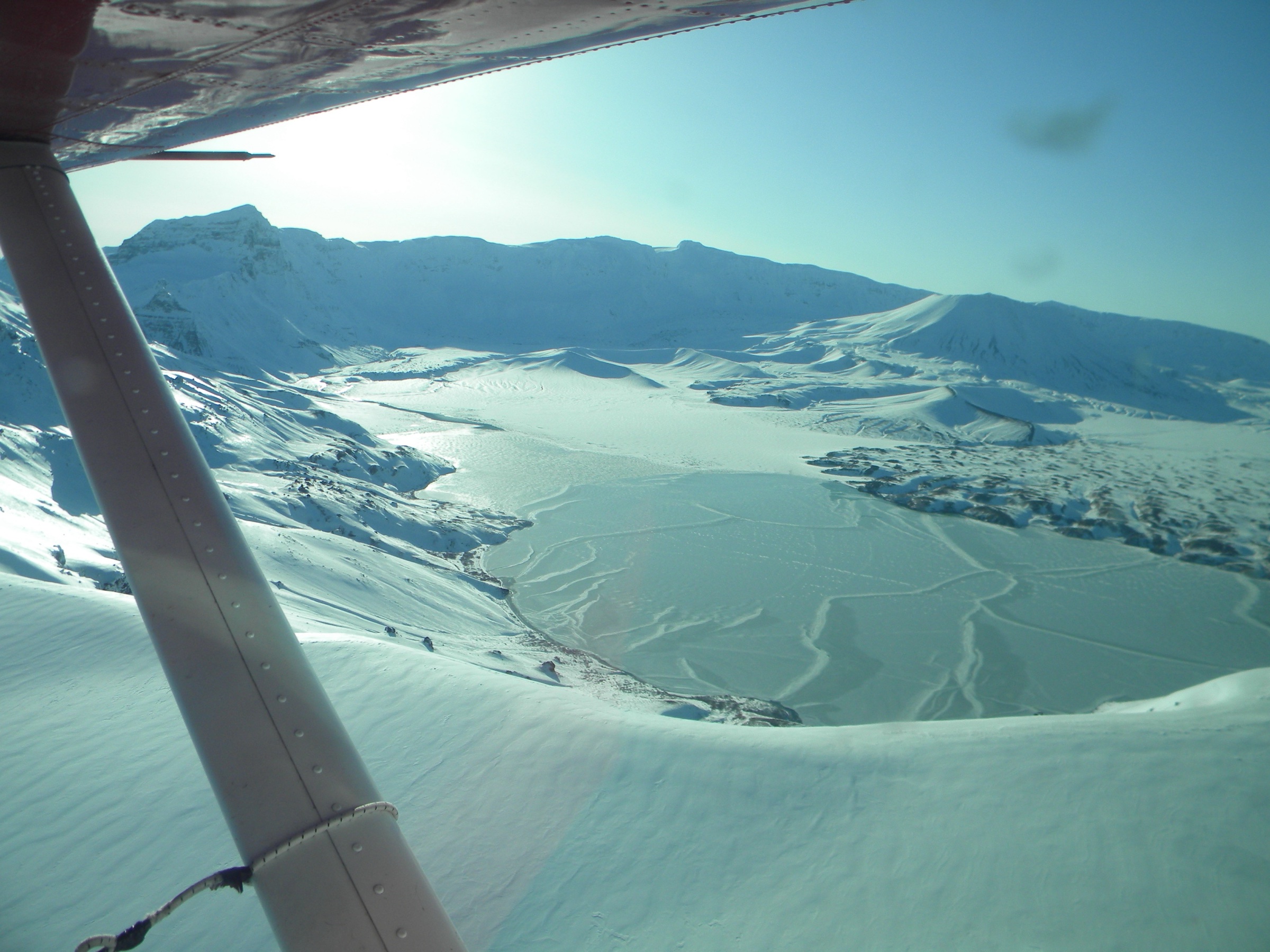
The candidate route uses the open ash-and-cinder floor of Aniakchak Caldera, linking the Surprise Lake area with views toward The Gates, where the Aniakchak River exits the caldera wall. NPS explicitly states that there are no formal trails in Aniakchak, but that hikers can find good walking conditions on the ash and cinder fields of the caldera floor.
Why it is essential
Aniakchak is one of the defining volcanic landscapes of the Alaska Peninsula. A caldera-floor day objective is essential to any regional catalogue, but it requires stronger route measurement, access confirmation, and risk review before publication.
Equipment
Remote backcountry equipment: waterproof boots, full rain gear, warm layers, navigation tools with backup, emergency communication device, bear-aware food storage, first-aid kit, water treatment, and a robust flight/weather contingency plan.
Hazards and notes
NPS warns of no formal trails, swift cold rivers, dense vegetation in parts of the monument, and use of animal trails as paths of least resistance. Weather and aircraft logistics can strand parties. This is not a casual trailhead day hike and should remain candidate-only until a specific legal, measured day route is confirmed.
GPX / KML links
| Source | URL | Format / access | Reuse status |
|---|---|---|---|
| NPS — Hiking & Backpacking in Aniakchak | nps.gov | Official terrain / access description, not GPX | No route geometry; use only as official context |
Further reading
Missing data / follow-up work
- Aniakchak needs a precise, legal, measured day-route variant before publication.
- The Brooks Falls platform corridor and Cultural Site Trail distances and maximum-elevation values still need formal source confirmation.
- No official GPX/KML files were found for the selected routes.
- AllTrails links are source maps, not confirmed licence-compatible route files.
- NPS tour dates, fees, and reservations can change; the Valley tour information should be rechecked before publication.
Further reading
| Resource | Link |
|---|---|
| NPS — Hiking in Brooks Camp | nps.gov |
| NPS — Brooks Camp visitor information | nps.gov |
| NPS — Brooks River Archeological District | nps.gov |
| NPS — Ranger-led Programs (Valley of Ten Thousand Smokes Tour) | nps.gov |
| NPS — Backcountry Hiking and Camping in Katmai | nps.gov |
| NPS — Hiking & Backpacking in Aniakchak | nps.gov |
| AllTrails — Dumpling Mountain Trail | alltrails.com |